
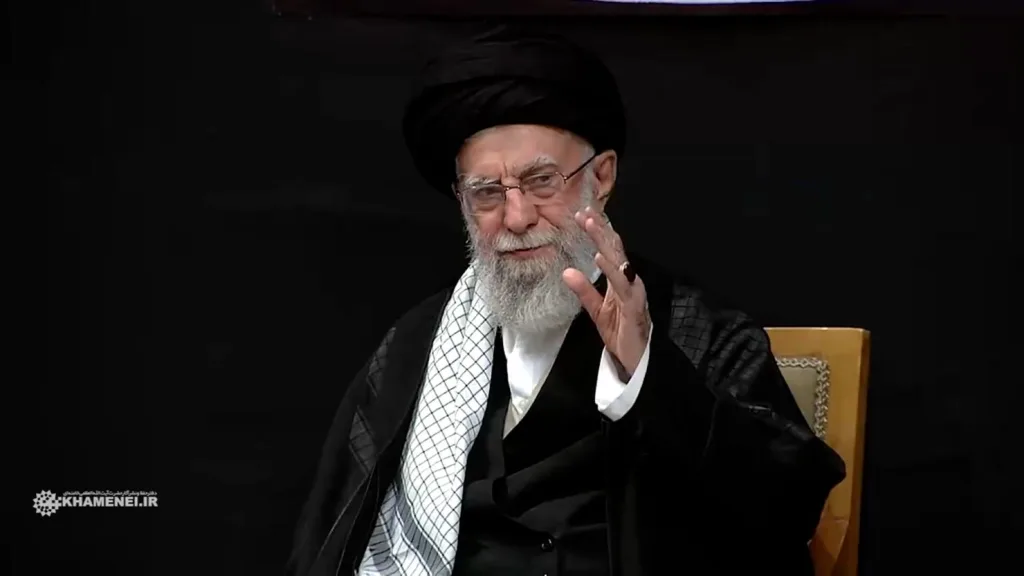
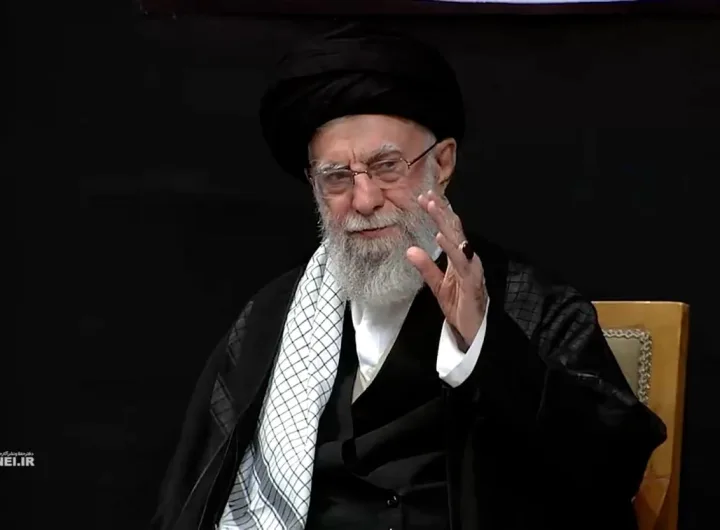
Iranian Supreme Leader Ayatollah Ali Khamenei was killed during a joint US-Israeli strike in Iran but the regime structure is still strong/Press TV/Khamenei.ir
The predawn strikes of February 28, 2026, on Iran changed the Middle East in ways that will take years to fully comprehend.
A joint US-Israeli assault targeted Iran’s ballistic missile and nuclear programs, while also striking Iran’s political and military leadership — culminating in the death of Supreme Leader Ayatollah Ali Khamenei, confirmed by Iranian state media.
The operation, supported by CIA intelligence, represents arguably the most consequential act of American military force since the invasion of Iraq in 2003.
And like that invasion, the question of what comes next may prove far harder than the strike itself.
The Strike and Its Immediate Fallout
The CIA had spent months tracking Khamenei’s movements and learned of a senior leadership gathering, which the agency shared with Israel. The strike was launched to coincide with that meeting.
The result was devastating for the Iranian state: at least 13 top defence officials were confirmed killed, including the Commander of the IRGC, the Defence Minister, and the Head of the National Defence Council.
In a single morning, Iran lost its supreme leader and the core of its military command structure.
Related: US Accuses Iran Of Attempting To Assassinate Donald Trump
The reaction inside Iran was divided. Many Iranian civilians took to the streets in celebration, while thousands gathered in mourning — a split that reflects the deep fractures within Iranian society itself.
Outside Iran, violent clashes erupted in Karachi, where protesters attempting to storm the US Consulate left at least nine people dead.
The war’s shockwaves were already going regional within hours.
The Power Vacuum Problem
Perhaps the most destabilising consequence of the operation is the vacuum it has created at the top of the Iranian state.
Khamenei held ultimate authority over all branches of government, the military, and the judiciary, while also serving as the country’s spiritual leader. No individual comes close to replicating that consolidated authority.
An interim three-member leadership council was announced, comprising President Masoud Pezeshkian, the chief justice, and a member of the Assembly of Experts — but the IRGC is pushing hard for a permanent successor to be named swiftly.
This scramble is telling. The very speed with which factions are jockeying for position signals that the Islamic Republic’s internal cohesion — already strained by years of economic hardship and mass protests — may not survive a prolonged interregnum.
Analysts have cautioned that jubilation does not equal transformation, warning that removing Khamenei is not the same as achieving regime change.
The Threat of Escalation
The danger is not merely internal to Iran. Analysts argue that Iran’s new calculus is likely to be a “scorched earth” policy — that field commanders, freed from the political caution of the clerical leadership, could lash out with greater ferocity than Iran has previously displayed.
Iranian President Pezeshkian has already declared retaliation a “duty and legitimate right.”
The Strait of Hormuz — through which roughly 31% of global seaborne crude flows — remains a latent pressure point that Tehran could exploit to inflict severe economic pain on the West.
The Way Forward
President Trump has framed the operation as a liberation, predicting swift collapse of the Iranian system. That confidence may be premature.
History offers sobering precedents: the removal of a strongman rarely dissolves the apparatus built around him.
The IRGC remains intact as an institution, its loyalties and command structures largely in place even without Khamenei at the apex.
The path most likely to yield stability is one that combines sustained military pressure with an early and credible diplomatic off-ramp — one that speaks directly to the Iranian people’s legitimate aspirations for self-determination, rather than simply to the interests of competing factions.
The alternative is a prolonged conflict in one of the world’s most strategically sensitive regions, with consequences that no party — not Washington, not Tel Aviv, and certainly not Tehran — can fully predict or contain.
The Ayatollah is gone. The harder work has only just begun.
 Tiwa Savage Launches Foundation To Support African Music Creatives
 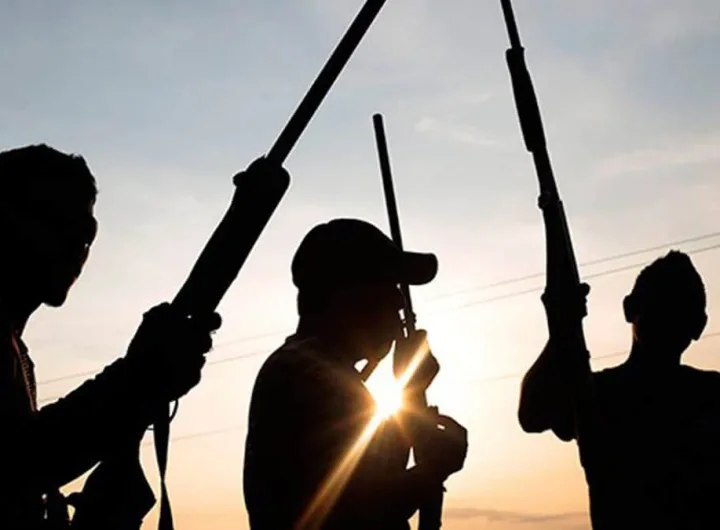 Gunmen Kidnap Six Church Members In Ondo State
  Violence Grips Mexico Following Death Of Drug Lord “El Mencho”
 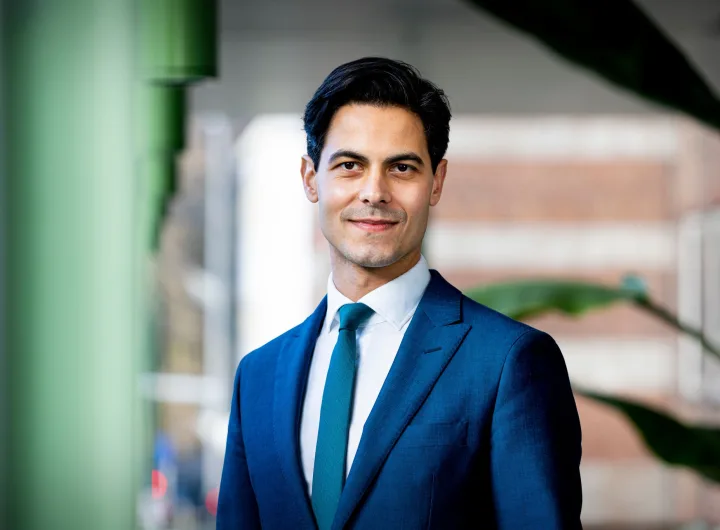 Netherlands Swears In First Openly Gay Prime Minister
 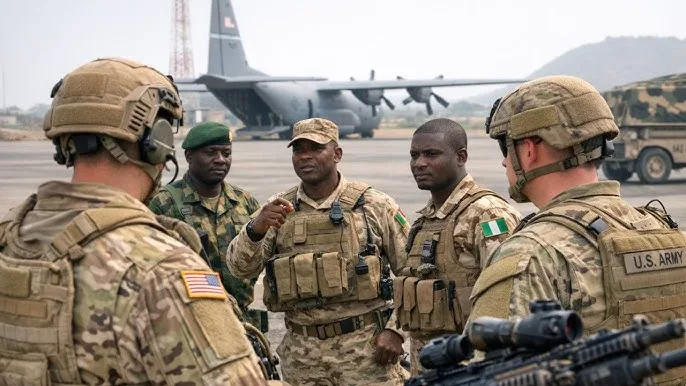 US Military Aircraft Land In Nigeria With Troops
  Tems Becomes First African Woman To Break Billboard Record
  After the Ayatollah: Reckoning with the Ramifications of America’s War on Iran