
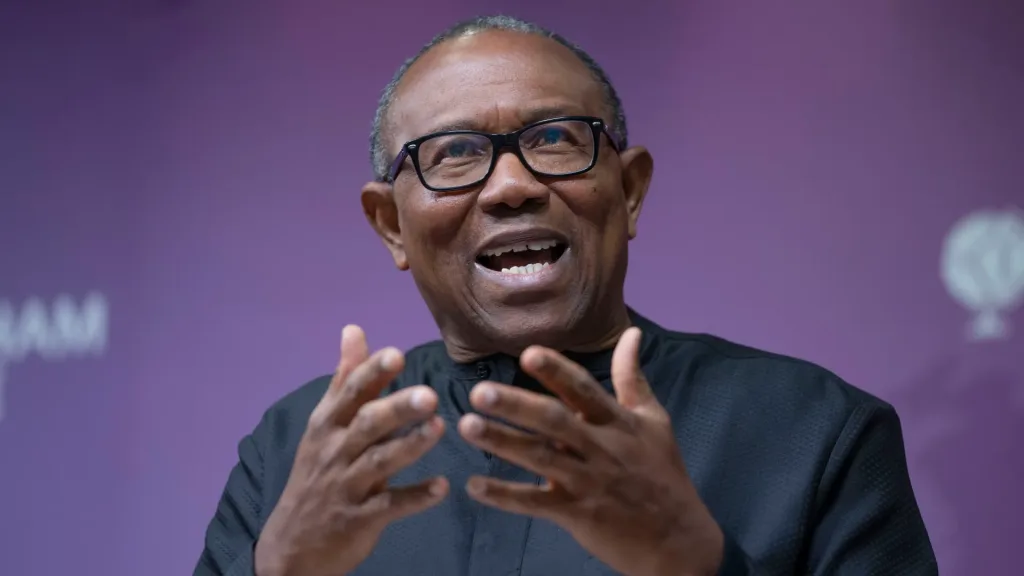
Peter Obi believes ADC can defeat President Tinubu's APC in 2027/AP
Peter Obi described his defection to the ADC as part of efforts to “rescue Nigeria.”
ABUJA – Former Labour Party presidential candidate Peter Obi officially joined the African Democratic Congress on Wednesday, December 31, 2025, in a move that has sent shockwaves through Nigeria’s political landscape ahead of the 2027 general elections.
The announcement was made at an event held at the Nike Lake Resort in Enugu State, where Obi was joined by several prominent political leaders from the South-East geopolitical zone, including senators and former governors.
A Coalition to “Rescue Nigeria”
Speaking at the defection ceremony, Obi described the move as part of a broader coalition to “rescue Nigeria” from poor leadership, economic decline, and democratic erosion.
The former Anambra State governor emphasized that the transition marks the beginning of a crucial political realignment.
“Today is an important day; today is the last day of 2025, so we are ending this year with the hope that, in 2026, we will begin a journey of the rescue of our country for proper socio-economic development that will be unifying and inclusive,” Obi stated during his address.
The 2023 presidential candidate, who secured third place with over 6.1 million votes, has been vocal about his concerns regarding Nigeria’s current political trajectory.
He accused the present administration of deepening economic hardship and weakening democratic institutions through what he termed “coercion and gangsterism against the opposition.”
Months of Consultation
The defection was not a sudden decision. According to sources close to Obi, the move came after months of consultations with opposition leaders across the country.
One faction of the Labour Party had formally endorsed Obi’s involvement in the ADC coalition as far back as May 26, 2025.
Related: Peter Obi Vows To Be President For Four Years If Elected
Dr. Yunusa Tanko, leader of the Obidients Movement, explained the symbolic significance of choosing Enugu for the announcement: “Enugu is the historical capital of the East; it adds historical solidity when the East wants to make a statement.”
Mixed Reactions from Labour Party
The defection has exposed deep fissures within the Labour Party, with different factions responding in starkly contrasting ways.
The Julius Abure-led faction expressed relief at Obi’s departure, with party spokesman Obiora Ifoh claiming the Labour Party made its “greatest political mistake” in fielding Obi as its 2023 presidential candidate. The faction described the defection as a “liberation” and suggested it had been waiting for this moment.
In sharp contrast, the Nenadi Usman-led interim leadership welcomed Obi’s move, stating that the party had supported his participation in coalition talks from the beginning and had not withdrawn that support.
Questions Over Registration Process
The defection has not been without controversy. A faction of the ADC led by National Chairman Nafiu Bala Gombe rejected Obi’s registration, claiming it violated the party’s constitution. Gombe insisted that proper ADC membership requires ward-level registration, not registration at zonal offices as reportedly occurred in Enugu.
“The office of the national chairman distances the original, constitutionally-governed ADC from the reported registration of Mr Peter Obi at the Enugu Zonal office. The party is investigating this breach of due process,” Gombe stated in a New Year message.
Looking Ahead to 2027
Obi’s defection signals a potential realignment of opposition forces ahead of the 2027 elections. While President Tinubu’s spokesman Bayo Onanuga suggested Obi might end up as former Vice President Atiku Abubakar‘s running mate, representatives from Atiku’s camp have dismissed this as speculation, emphasizing that coalition conversations are ongoing without predetermined hierarchies.
The former governor has vowed to resist what he describes as electoral malpractice and intimidation tactics, stating: “We have all watched those who benefited from our democracy sometimes now become accessories to destroying our democracy. We cannot allow this to happen; we will resist it.”
As Nigeria enters 2026, Obi’s move to the ADC represents one of the most significant political developments in the countdown to the next general elections, potentially reshaping the opposition landscape and setting the stage for what promises to be a highly contested race for the presidency.
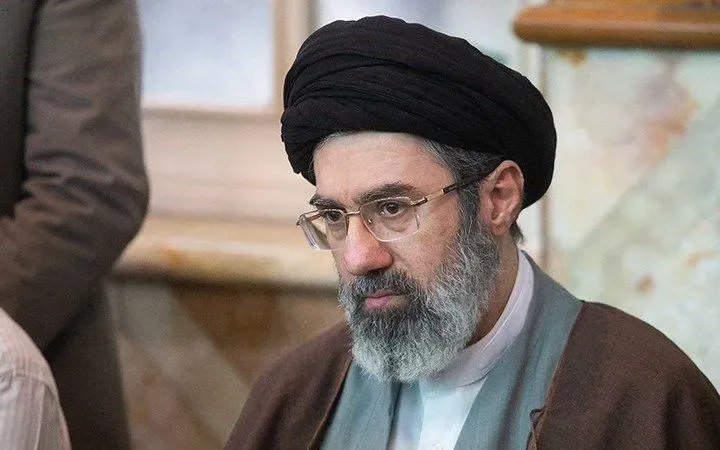 Iran’s New Supreme Leader Calls On US And Israel To Pay “Blood Money”
 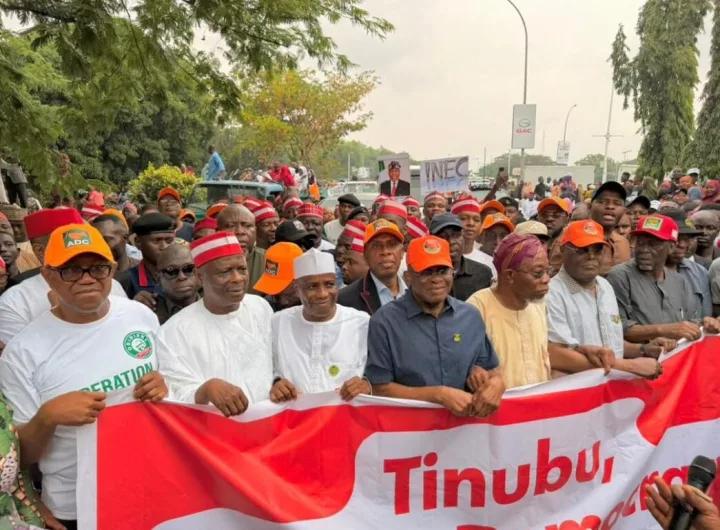 Why Atiku, Obi, David Mark, Amaechi Led ADC Protest To INEC Headquarters
  Trump, Iran Strike Two-Week Ceasefire Deal To Reopen Strait Of Hormuz
 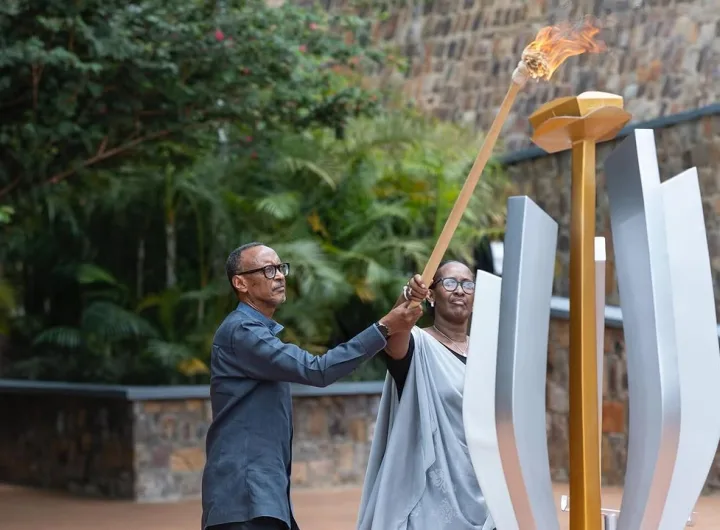 Kwibuka 32: Rwanda Marks 32 Years Since The Genocide Against The Tutsi
  93-Year-Old Cameroonian President, Biya, Appoints Son As Vice President
  Tinubu’s Jos Visit Sparks Debate Over Airport Meeting With Attack Victims