
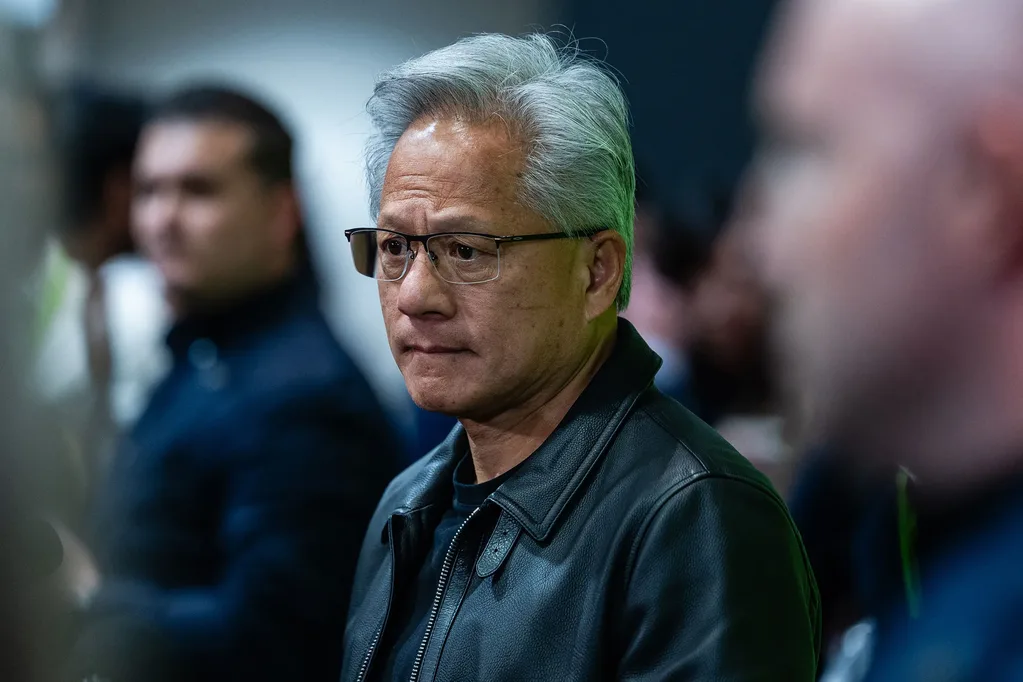
Jensen Huang founded and led NVIDIA for 33 years/Photo: Getty
Jensen Huang’s resignation tests whether NVIDIA can defend its lead in artificial intelligence without the founder who built it.
For 33 years, Jensen Huang led NVIDIA from a graphics chip company to the centre of the artificial intelligence boom.
On November 12, NVIDIA announced that its co-founder had resigned as president, chief executive and board member.
Chief financial officer Colette Kress will also serve as interim CEO while the board considers internal and external candidates.
The transition puts a question before investors and customers alike. How much of NVIDIA’s advantage can the company sustain without the person who built it?
NVIDIA’s strongest advantages are already built into how its customers work. Its graphics processing units power AI training and deployment, while its CUDA software platform gives developers tools to make that hardware useful.
Switching suppliers can mean adapting software, testing performance and changing how data centres are configured. That gives NVIDIA some protection during the handover.
The next CEO’s harder job will be keeping customers committed as competing chips and software become more practical to use.
Huang’s departure also exposes a governance challenge. NVIDIA’s board commissioned an independent investigation after reports that Huang had been targeted by a foreign intelligence effort.
The resignation announcement gave no reason for his exit. The board’s appointment of longtime director Harvey C. Jones as its first chair gives directors a designated leader during the transition.
How the board communicates the investigation’s findings and handles the succession will help determine whether that change strengthens oversight.
Related: How Elon Musk Became The World’s First Trillionaire
The immediate market reaction showed how quickly investors reassessed the company’s prospects.
Reuters reported that NVIDIA shares closed 4.3% lower on Thursday, while rivals AMD and Broadcom rose about 6% each.
Huang had also pushed to preserve access to China, where U.S. export controls shape which chips NVIDIA can sell.
His successor inherits the task of defending those commercial interests while lawmakers debate tighter restrictions.
Kress has run NVIDIA’s finances since 2013. Her first opportunity to set expectations comes with quarterly results due November 17.
Investors will listen for signs that customers are sticking with their spending plans and that upcoming chip launches remain on schedule.
Over the following quarters, the evidence will come from deliveries, customer orders and the permanent CEO’s decisions about where to invest.
Huang spent decades persuading customers to build around NVIDIA’s technology. The next leadership team will have to show that those customers still have good reasons to stay as their options widen.
 Protesters Confront INEC Chair Amupitan Outside Chatham House In London
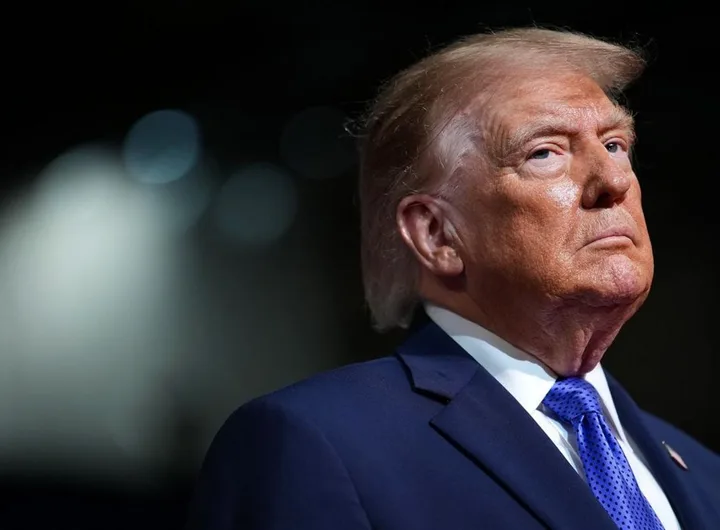 Trump Concedes Deportation Drive May Have Been “Too Tough” After Midterm Losses
 Tanzanian Opposition Leader Tundu Lissu Jailed For Four Years
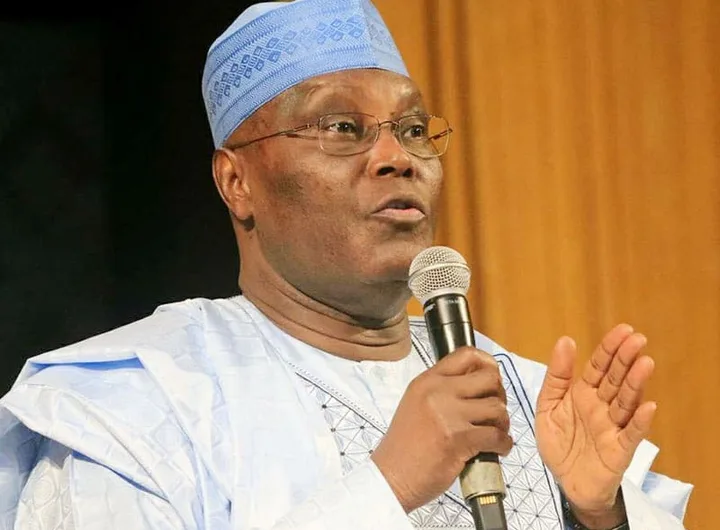 Court Nullifies Atiku’s 2027 Presidential Candidacy: Here’s Why
 Cristiano Ronaldo Announces Retirement From International Football
 Peter Obi’s Campaign Convoy Attacked In Calabar
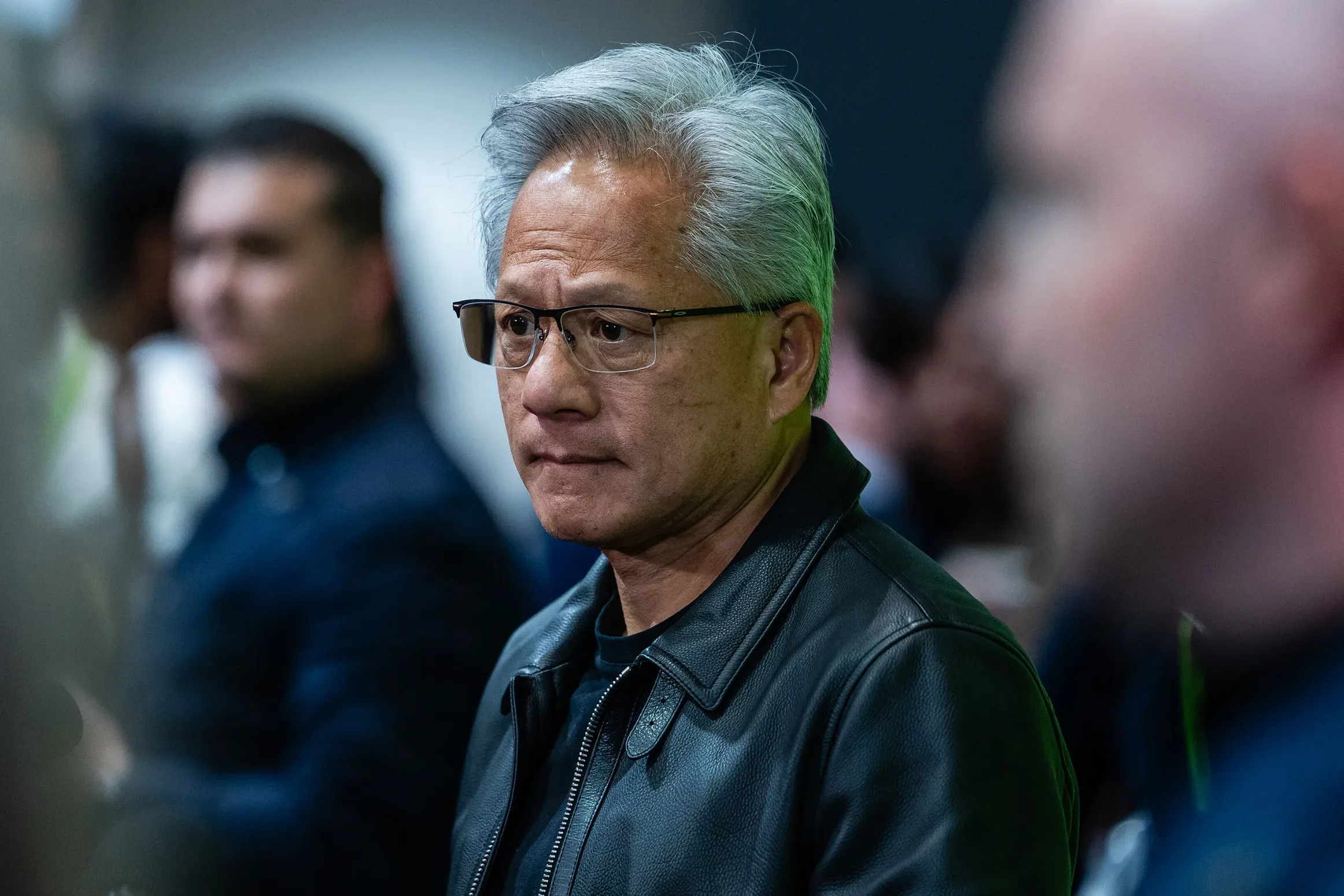 Jensen Huang’s Exit Tests How Much NVIDIA Depends On Its Founder