
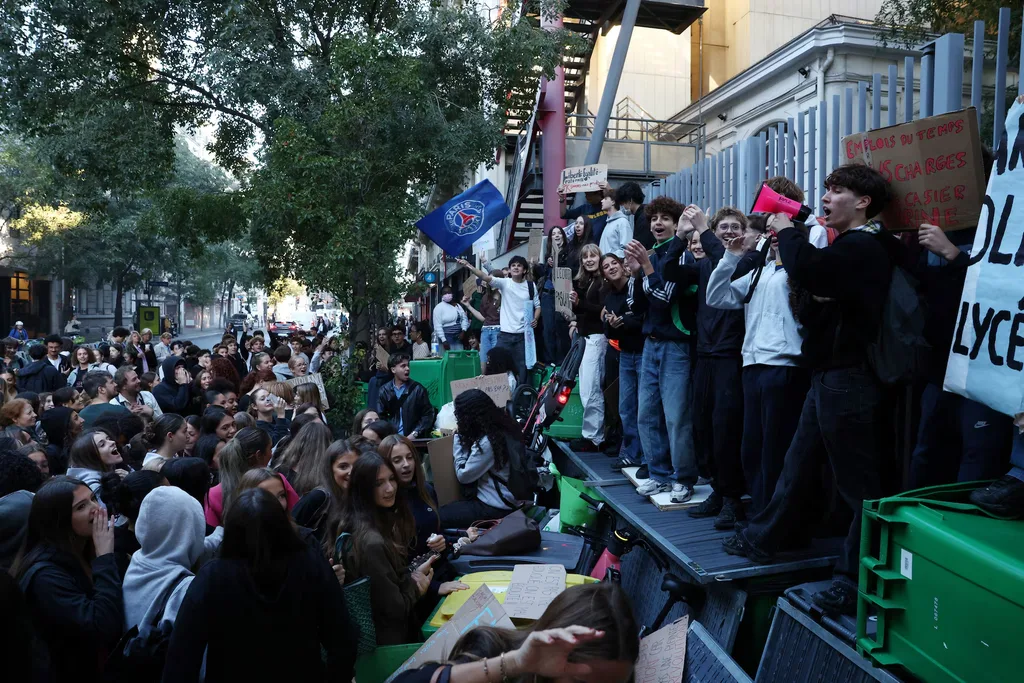
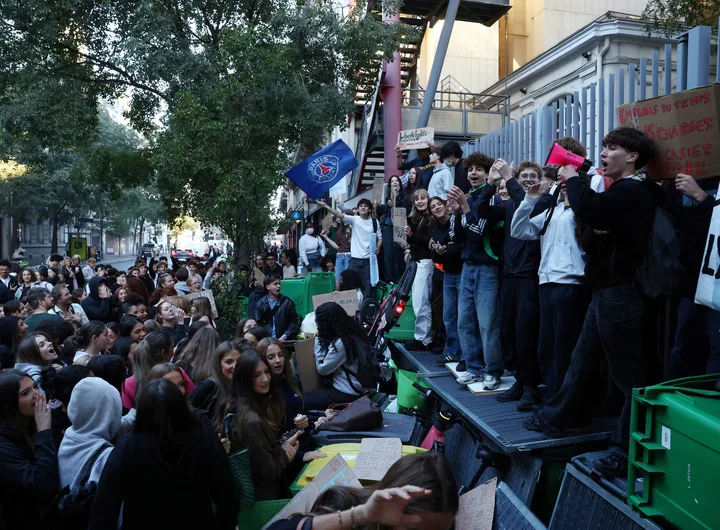
French high school students gathered outside Lycée Charles Péguy in Paris on October 6, 2026, joining a nationwide day of protests and blockades. They voiced anger over overcrowded classrooms, teacher shortages and run-down school buildings, problems they blame on years of underinvestment. REUTERS/Tom Nicholson
France is witnessing growing unrest as nationwide protests intensify, drawing thousands into the streets and increasing pressure on the government.
France is facing a growing wave of nationwide protests as hundreds of thousands of students, teachers, parents and trade union members demand major improvements to the country’s public education system.
The demonstrations intensified on Tuesday, October 6, 2026, when more than 266,000 people joined protests across the country, according to official figures.
Organisers put the number significantly higher, estimating that about 450,000 people participated. Thousands marched through cities including Paris, Lyon, Marseille, Strasbourg, Toulouse and Rennes.
The protests began in the Paris region in September, driven largely by high school students frustrated by overcrowded classrooms, shortages of teachers, deteriorating school buildings and what they describe as years of inadequate investment in public education.
The movement has since expanded rapidly, attracting support from teachers’ unions, parents, university students and other public-sector workers.
Students are calling for increased education funding, better school facilities, smaller class sizes and quicker replacement of absent teachers.
Some protesters have also demanded changes to the structure of the school day and reforms to France’s university admission system.
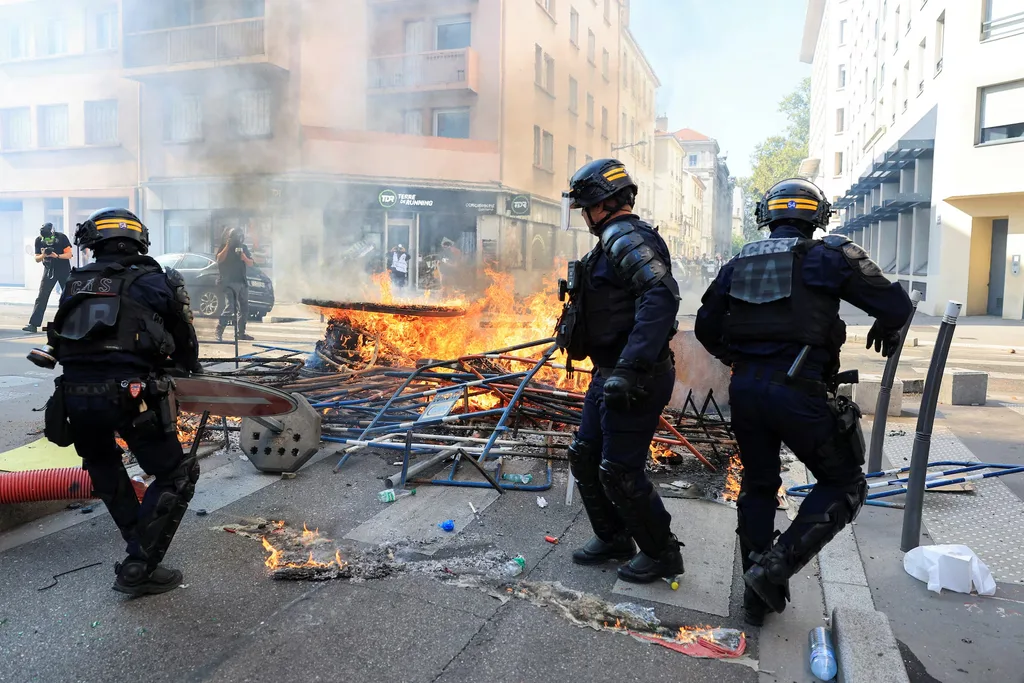
Although many demonstrations have remained peaceful, clashes between protesters and riot police have raised tensions across the country.
Police have used tear gas, water cannons and other crowd-control measures during confrontations in several cities.
Hundreds of people were arrested during Tuesday’s demonstrations, while both protesters and police officers have suffered injuries.
Related: Russia Vows To Attack France If French Troops Are Sent To Ukraine
Concerns over police tactics have become another major issue within the movement, particularly following reports of serious injuries involving young protesters.
On October 7, the French government suspended the use of stun grenades during student demonstrations as criticism of the police response increased.
Prime Minister Sébastien Lecornu has acknowledged some of the students’ concerns and promised that the government will examine problems affecting schools.
High school classes were also suspended for the remainder of the week as authorities attempted to reduce tensions and create space for dialogue.
However, protesters say promises alone are not enough.
The demonstrations are becoming a significant challenge for the French government as it tries to balance demands for greater public spending with mounting pressure over the country’s finances.
With student groups promising to continue mobilising until concrete reforms are announced, the protests could remain a major source of political and social pressure in France in the coming weeks.
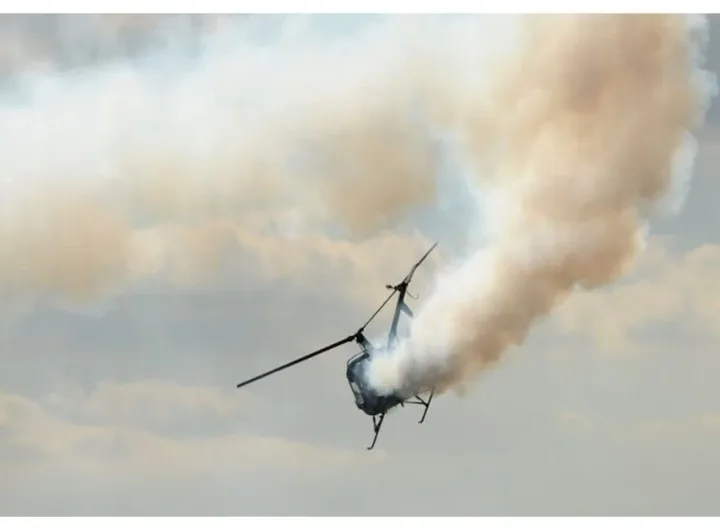 Tinubu Announces Three-Day National Mourning For Air Force Personnel Killed In Plane Crash
  Brazil’s Presidential Election Heads To A Runoff
 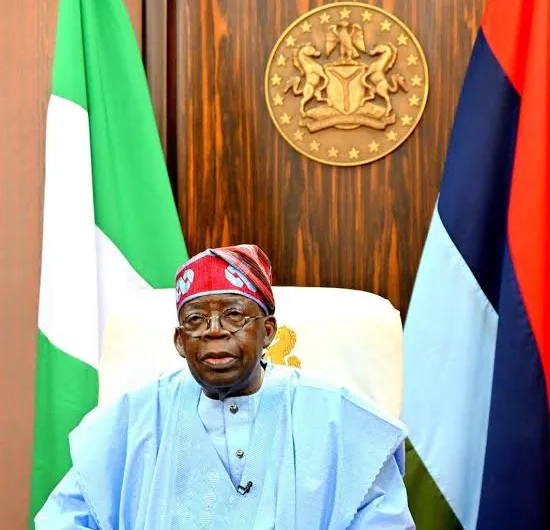 Tinubu’s 2026 Independence Day Speech: From Reform To Prosperity, But Nigerians Await The Results
  South Africa Unveils New Measures Against Gender-Based Violence After String of Femicides Sparks National Outrage
  Why Trump Rejected Iran’s Peace Proposal
  At Least 27 Dead in Two Separate Mass Shootings in South Africa
  France Rocked By Nationwide Student Protests Over Education Crisis
  Kim Kardashian Opens Up About Spending Five Years Single