
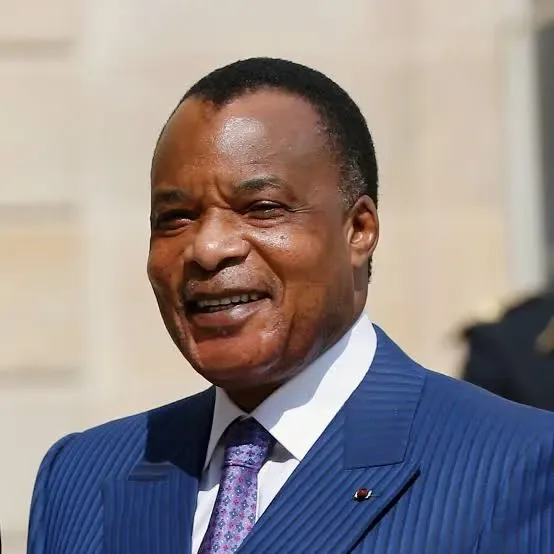
Denis Sassou-N'Guesso first assumed power in 1979/VOA
Denis Sassou-N’Guesso won over 90% of votes in the country’s election.
Denis Sassou-N’Guesso was inaugurated for his fifth presidential term in the Republic of Congo on Thursday, after securing victory in the country’s March presidential election.
The 82-year-old made promises of economic growth and youth employment during his inauguration address.
He outlined plans to revitalise the national economy, with a focus on agriculture and industry in the Central African nation.
“Create jobs for as many people as possible and continue to develop basic infrastructure and promote development,” he declared at a ceremony held in Brazzaville, which drew several heads of state.
Sassou-N’Guesso secured a first-round victory with 94.90 percent of the vote, while official figures placed voter turnout above 84 percent.
However, observers had anticipated record-low participation due to the absence of any credible opposition.
Election monitors from the African Union and other bodies commended the “peaceful and orderly” nature of the electoral process, even as the six other candidates raised allegations of “fraud and a low” turnout.
Related: Ex-Congolese Leader Joseph Kabila Sentenced To Death
A candidate of the Congolese Party of Labor, Sassou-N’Guesso first assumed power in 1979 and governed until 1992, when he oversaw the country’s inaugural multi-party elections.
He reclaimed the presidency as a militia commander after a four-month civil war in 1997.
The Republic of Congo continues to grapple with significant economic challenges.
Its external debt stands at 94.5 percent of GDP according to the World Bank, and youth unemployment remains a pressing concern.
More than half of its 5.7 million citizens live in poverty, with 47 percent of the population under the age of 18.
On the campaign trail, Sassou-N’Guesso pointed to his economic achievements, citing efforts to modernise infrastructure and grow the gas and agricultural sectors as part of a drive toward national self-sufficiency.
Oil and gas remain the backbone of state revenue, underpinning growth projected at 2.9 percent for 2025, yet poverty persists for more than half the population.
Detractors argue that the country’s economic gains have been undermined by large volumes of state oil revenues allegedly diverted into the personal accounts of senior government officials.
The administration has faced multiple criminal complaints and investigations, particularly in France.
 Trump Accused Of Bribery Over $5,000 Pledge To Voters
  Dangote Refinery Set To Launch Major IPO To Fuel Capacity Expansion
  Dominican Republic’s Joheirry Mola Crowned Miss World 2026
  Duane “Keffe D” Davis Found Guilty in Tupac Shakur Murder Case Nearly 30 Years Later
  Niger’s Capital Settles Back Into Routine After Attempted Military Coup
  Atiku Slams Tinubu Over Vacation Amid Nigeria’s Security And Economic Woes
  Davido Slams Erigga Over Comments About Musicians From Poor Backgrounds