
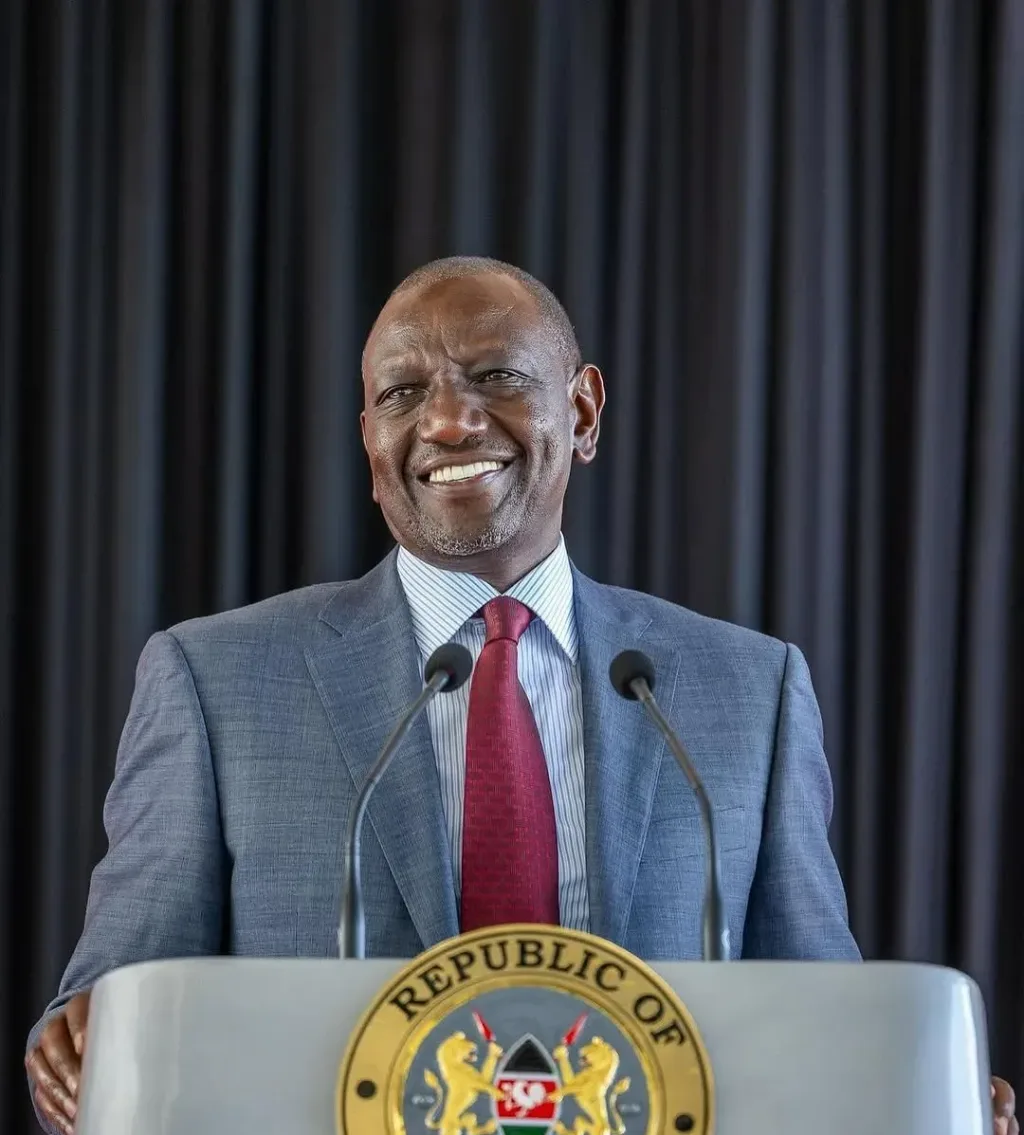
Kenya’s President says you need a translator to understand Nigerians speak English.
Kenyan President William Ruto has taken a lighthearted jab at the way Nigerians speak English, describing it as difficult to understand without interpretation.
At a recent event, Ruto drew laughter from the audience when he compared Kenya’s standard of English to Nigeria’s, suggesting the latter leaves much to be desired.
“Our education is good. Our English is good,” President Ruto said.
“We speak some of the best English in the world. That is true.
“If you listen to a Nigerian speak, you need a translator…” he said to a room that erupted with laughter.
The comment comes just a week after President Bola Tinubu, while addressing residents in Bayelsa State, urged Nigerians to count their blessings by looking at the hardships facing other African countries, including Kenya.
“Yes, I hear you from various angles of the economy,” Tinubu said.
“The fuel prices is biting hard, but look around, and let’s just thank God together that you are better off.
“Listen to them in Kenya and other African countries what they are going through.”
Tinubu’s reference to Kenya where thousands of young protesters recently flooded the streets over rising fuel prices and a worsening cost of living has not gone unnoticed, and Ruto’s latest remarks appear to be a subtle but pointed response.
That said, Ruto’s dig at Nigerian English can easily be read as good-natured banter, particularly given his history of warm remarks about Nigeria.
In 2025, the Kenyan president whose daughter is married to a Nigerian joked that “their daughters all prefer Nigerian men”, which is causing a “brain drain in Kenya.”
So, How Does Nigeria’s English Actually Rank in Africa?
If the EF English Proficiency Index 2025 is anything to go by, Ruto may have a point. The index, which is the world’s largest free standardised English test available to both individuals and organisations, drew on results from 2.2 million participants and placed Nigeria fifth among African nations in English proficiency.
South Africa topped the continent’s rankings, driven by the widespread use of English across government, schools, media, and business.
Zimbabwe came in second, buoyed by its high literacy rate and the enduring influence of British-style education.
Kenya claimed third place, where English is co-official alongside Swahili and widely spoken across the country.
Zambia ranked fourth, owing to the extensive use of English in government and public life.
Nigeria placed fifth. While English remains the country’s official language used in government and schools, and is widely spoken, the ranking reflects the challenges posed by a high illiteracy rate.
 France Mobilises 70,000 Officers As Protests Spread Across The Country
  First Lady Remi Tinubu Eyes 2031 Exit From Presidential Villa
  Russia Ready To Return To Ukraine Talks, Putin Says, Insisting On Security For Europe
  Nigeria Tightens Airport Screening After First Ebola Case
  Nollywood Mourns As Veteran Actor Francis Duru Dies At 57
 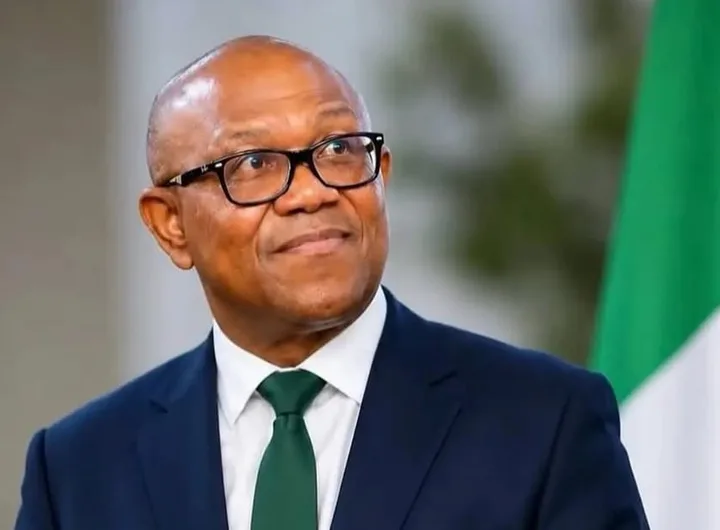 APC Dismisses Obi’s 2027 Chances, Says He Mistook 2023 Momentum For Lasting Political Capital
  Burna Boy Makes History With Electrifying NFL Paris Halftime Show Performance