
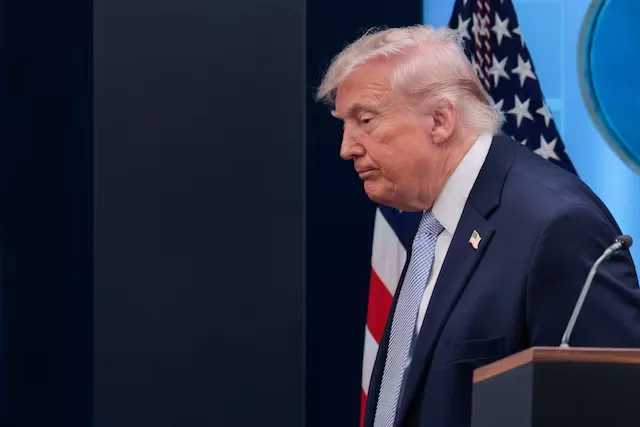
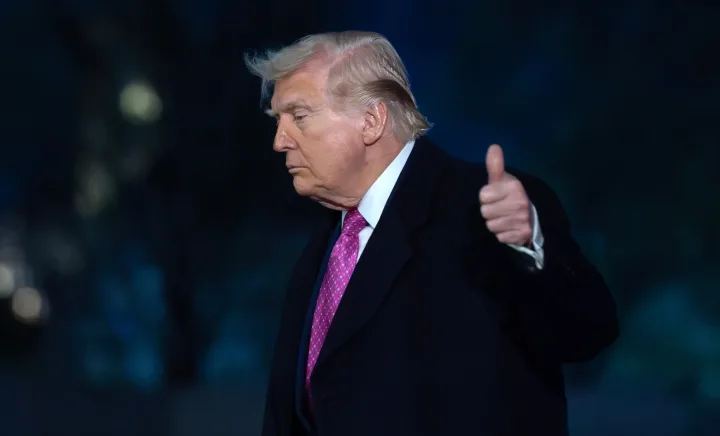
President Donald Trump walks out of the James S. Brady Press Briefing Room at the White House in Washington, D.C., following a press conference on April 6, 2026/Photo: Reuters
Pakistan brokers last-minute ceasefire agreement hours before Trump’s deadline for massive strikes.
In a dramatic late-night development, the United States and Iran have agreed to a two-week ceasefire after weeks of escalating military conflict, with Iran committing to reopen the Strait of Hormuz in exchange for a suspension of American strikes.
The deal, brokered by Pakistan just hours before a Trump-imposed deadline, has been welcomed by global markets and world leaders as a crucial window for diplomacy.
President Donald Trump announced on Tuesday that he had agreed to suspend bombing and attacks on Iran for two weeks, on the condition that Iran reopens the Strait of Hormuz completely and immediately.
In a post on his Truth Social platform, Trump said the decision followed conversations with Pakistani Prime Minister Shehbaz Sharif and Field Marshal Asim Munir, who had requested he hold off strikes planned for that evening.
“This will be a double sided CEASEFIRE!” he wrote, adding that the US had “already met and exceeded all Military objectives.”
Iran’s Foreign Minister Abbas Araghchi confirmed Tehran’s acceptance of the agreement.
He stated that “if attacks against Iran are halted,” Iran’s armed forces would cease their defensive operations, and that safe passage through the Strait of Hormuz would be made possible through coordination with Iranian forces for the two-week period.
Pakistan’s Pivotal Role
Trump’s surprise ceasefire announcement was the result of frantic last-minute diplomacy led by Pakistan.
Prime Minister Sharif had earlier asked Trump to grant Iran a two-week extension of his deadline, and urged Iran’s leadership to open the strait as “a goodwill gesture.”
Related: Israel Reportedly Injures New Iranian Leader During Airstrike
Pakistan’s PM said he welcomed the announced ceasefire and described both parties as having displayed “remarkable wisdom,” inviting delegations from both sides to Islamabad on Friday, April 10, for further negotiations toward a conclusive agreement.
Iran’s 10-Point Proposal
Iran submitted a 10-point proposal that Trump described as “a workable basis on which to negotiate,” saying that almost all points of contention had been agreed upon and that the two-week window would allow a final agreement to be completed.
The plan reportedly calls on the United States to withdraw combat forces from the region, lift all sanctions against Iran, permit uranium enrichment, compensate Iran for war damages, and allow it to maintain control over the Strait of Hormuz.
However, the White House framed the outcome primarily as a victory for American leverage.
Press Secretary Karoline Leavitt said: “The truth is that President Trump and our powerful military got Iran to agree to reopening the Strait of Hormuz, and negotiations will continue.”
Why the Strait Matters
Shortly after the war erupted, Iran moved to choke off traffic in the Strait of Hormuz, a key waterway through which nearly 20 percent of the world’s oil and natural gas travels, causing fuel prices to skyrocket across the globe — including in the US, where Trump faced domestic criticism from his own conservative base.
Maritime tracking data showed that only about 5% of pre-war shipping volume had been getting through the strait since the conflict began.
Markets React With Relief
Global financial markets responded swiftly to the news. International oil prices fell by 13% as of Tuesday night, while S&P 500 futures pointed to the stock index opening more than 2% higher on Wednesday.
Japan’s Nikkei Stock Average also rose sharply, climbing more than 2,600 points following Trump’s announcement.
Israel’s Position and Lebanon Uncertainty
Israeli Prime Minister Benjamin Netanyahu’s office said Israel supports the US decision to suspend strikes against Iran for two weeks, subject to Iran halting all attacks on the US, Israel, and regional countries.
However, Netanyahu’s office was clear that Lebanon is not part of the ceasefire, even as Pakistan’s PM stated the agreement would apply there as well.
What Comes Next
The US and Iran are expected to hold peace talks in Islamabad on Friday, with Vice President JD Vance likely to lead the American delegation.
Iran’s Supreme National Security Council also hinted that the ceasefire could be extended beyond its initial two weeks if negotiations proceed favourably.
Trump struck an optimistic tone in a Truth Social post just past midnight, calling it a “big day for World Peace” and predicting that “big money will be made” as shipping resumes, adding: “This could be the Golden Age of the Middle East!!!”
 Kwibuka 32: Rwanda Marks 32 Years Since The Genocide Against The Tutsi
  93-Year-Old Cameroonian President, Biya, Appoints Son As Vice President
  Tinubu’s Jos Visit Sparks Debate Over Airport Meeting With Attack Victims
 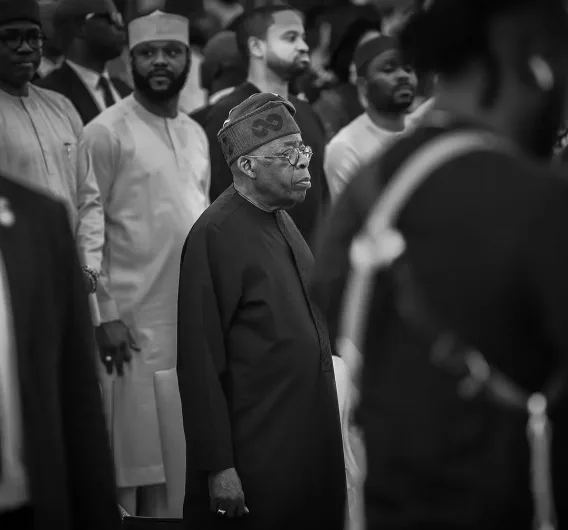 Tinubu Heads To Plateau State Following Jos Community Attack
  Trump May End Iran War Without Reopening Strait Of Hormuz, Reports Say
 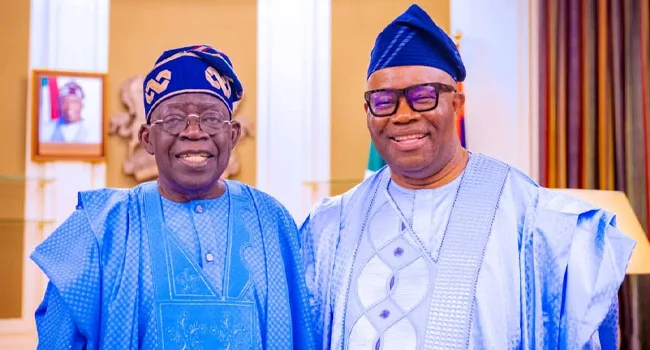 Senate Approves Tinubu’s $6 Billion Loan Request