
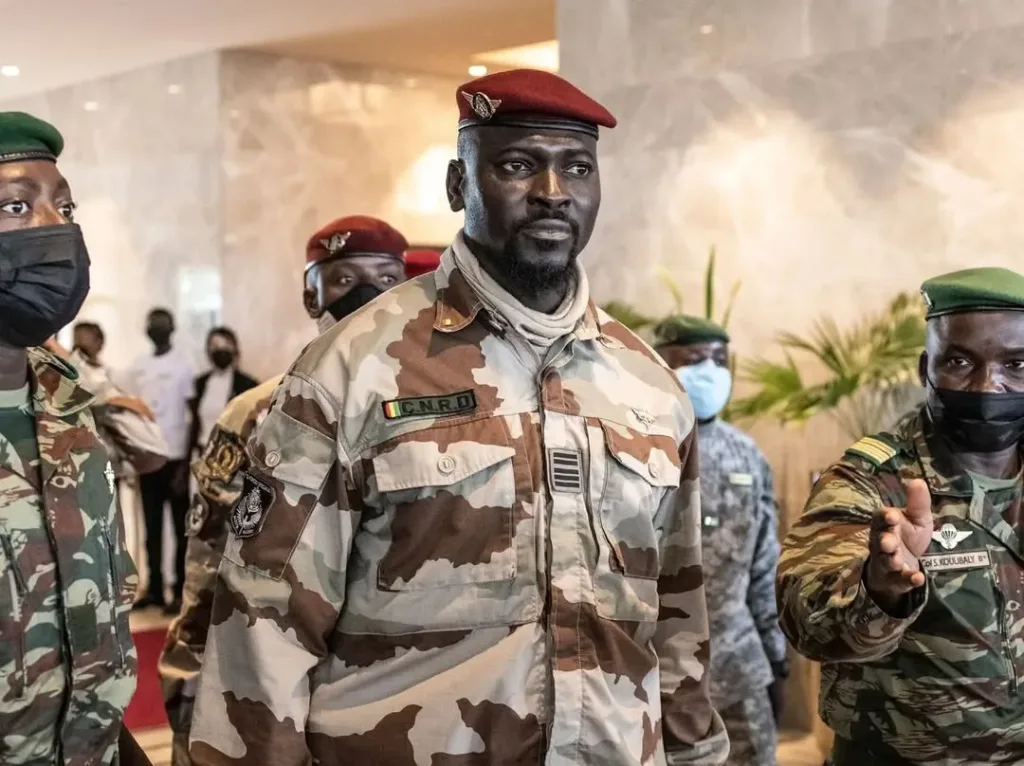
Mamady Doumbouya was sworn in as President of Guinea in December 2025/Lionscrib News
Guinea is currently governed by President Mamady Doumbouya who seized power through a coup in 2021.
The Guinean government has disbanded 40 political parties — among them the nation’s three primary opposition groups — through a late-night decree, issued less than two months after Mamady Doumbouya was inaugurated as president.
The Ministry of Territorial Administration and Decentralisation announced the move, citing the parties’ “failure to fulfil their obligations” as justification.
The decree took immediate effect, stripping all affected parties of their legal standing and ownership of their assets.
“This dissolution entails the immediate loss of the legal personality and status of the parties concerned,” the order stated.
The directive further prohibits the dissolved parties from engaging in any political activities or making use of their names, logos, emblems, or any other identifying markers.
Related: Benin Detains 30 Individuals Over Unsuccessful Coup Attempt
The three major opposition parties affected include Cellou Dalein Diallo‘s Union of Democratic Forces of Guinea, the Rally of the People of Guinea — which is linked to former president Alpha Condé — and the Union of Republican Forces.
The decree also placed all party assets under sequestration, with a curator assigned to manage their transfer, though no details were provided regarding who would eventually assume ownership of those properties.
Doumbouya, 41, first seized power in 2021 by ousting Alpha Condé, Guinea’s first democratically elected head of state.
He later strengthened his grip on power and secured election in December through a widely disputed vote that excluded major opposition figures.
His administration has drawn widespread criticism for curtailing civil liberties, outlawing protests, and suppressing political dissent.
Reports indicate that numerous opposition figures have been arrested, prosecuted, or driven into exile, while human rights organizations have sounded alarms over alleged enforced disappearances and abductions.
Since winning independence from France in 1958, Guinea has endured numerous bouts of military and authoritarian governance.
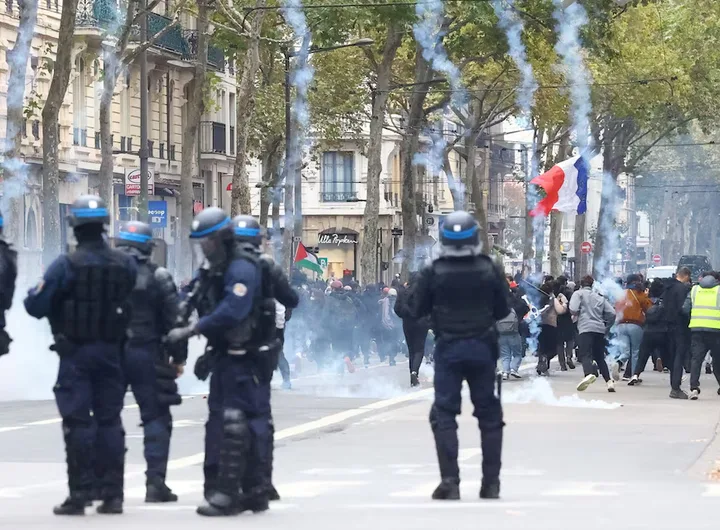 France Mobilises 70,000 Officers As Protests Spread Across The Country
  First Lady Remi Tinubu Eyes 2031 Exit From Presidential Villa
 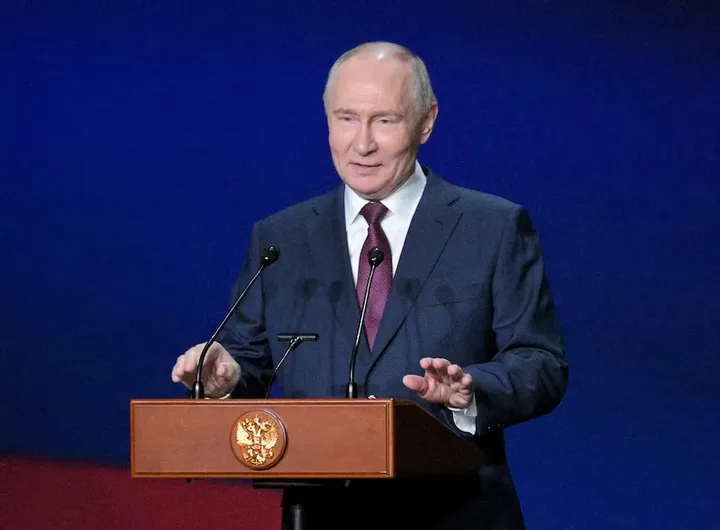 Russia Ready To Return To Ukraine Talks, Putin Says, Insisting On Security For Europe
 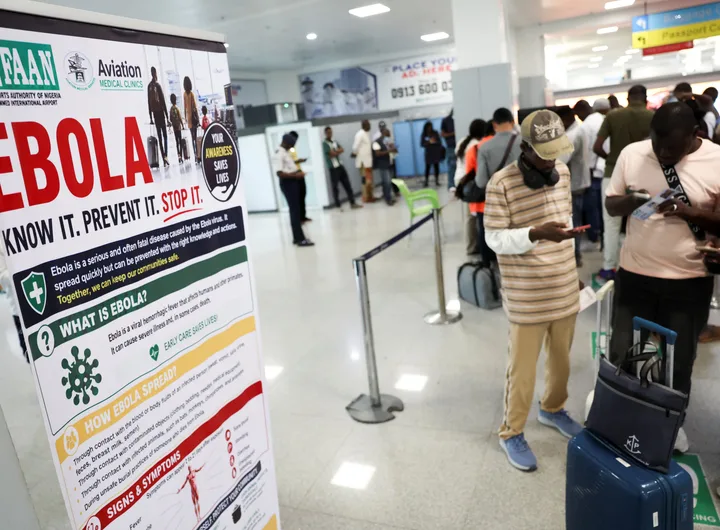 Nigeria Tightens Airport Screening After First Ebola Case
  Nollywood Mourns As Veteran Actor Francis Duru Dies At 57
  APC Dismisses Obi’s 2027 Chances, Says He Mistook 2023 Momentum For Lasting Political Capital