
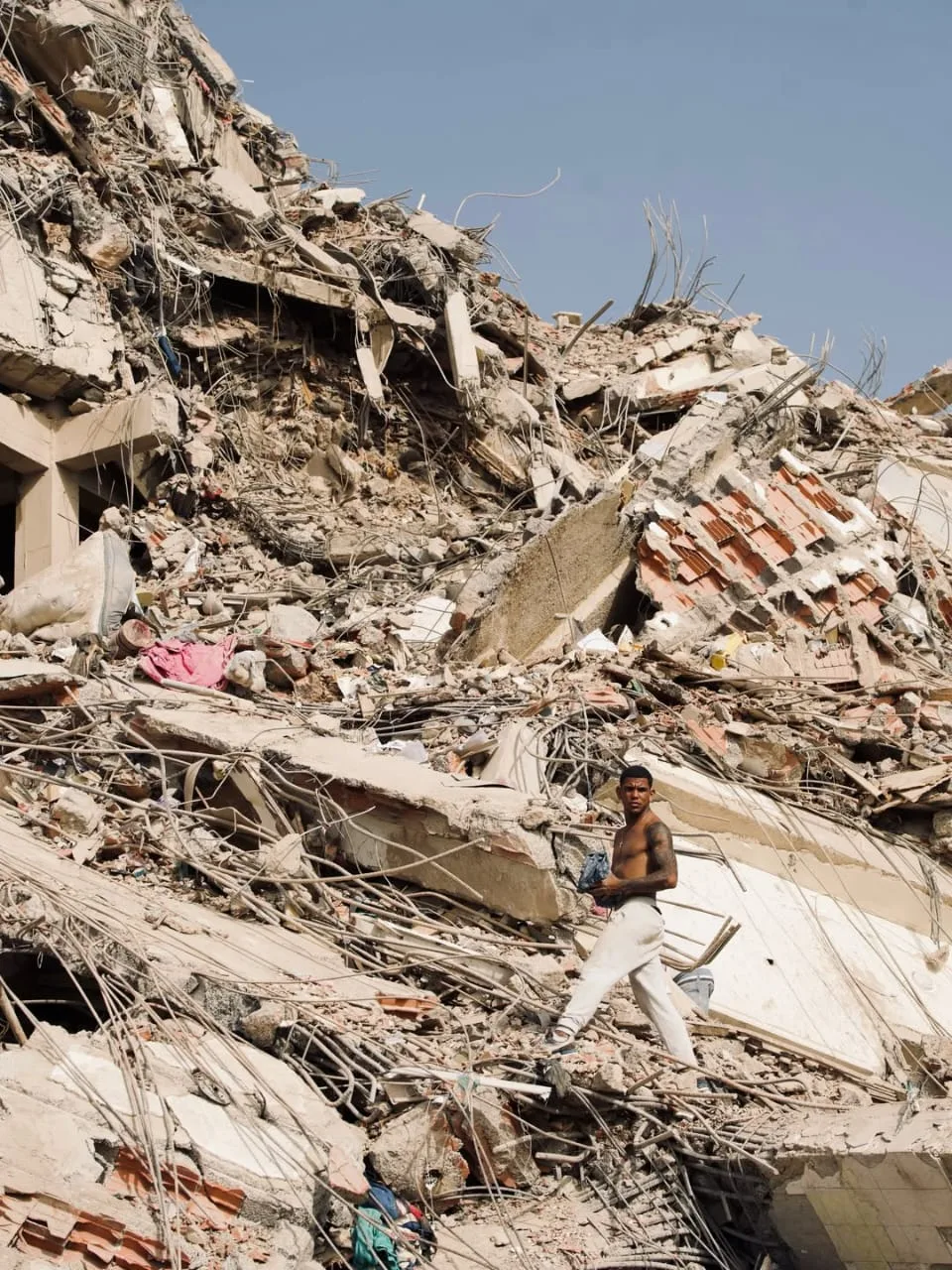
Man searches through the rubble from the earthquake in Venezuela
Venezuela is facing a deepening humanitarian crisis after two powerful earthquakes struck the country’s northern region within seconds of each other, leaving thousands dead, many more injured, and communities across Caracas and La Guaira struggling with displacement, disease risks, and anger over the pace of recovery.
Venezuela is still struggling to grasp the full scale of devastation nearly two weeks after twin earthquakes struck the country’s north-central region, killing at least 3,535 people, injuring 16,740 others and leaving nearly 18,000 people without homes, according to the latest official figures reported by Reuters.
The disaster began on June 24, when two powerful earthquakes, measured at magnitude 7.2 and 7.5, struck northern Venezuela west of Caracas within seconds of each other.
The U.S. Geological Survey said the quakes also created a significant risk of landslides, warning that aftershocks and heavy rainfall could still trigger additional ground failures in the days and weeks after the disaster.
The hardest-hit areas remain Caracas and the coastal state of La Guaira, where thousands of families have been forced into temporary shelters.
Reuters reported that at least 12,800 people are currently staying in 80 shelters across Caracas and La Guaira, while health officials warn that overcrowding, poor sanitation, limited ventilation and unsafe water could fuel outbreaks of respiratory infections, diarrhea, skin diseases, wound infections, dengue and vaccine-preventable illnesses.
In La Guaira, the tragedy has shifted from rescue to recovery. The Associated Press reported that international rescue teams are beginning to withdraw, while many residents say they have been left to search for the bodies of relatives using bare hands, pickaxes and shovels.
More than 30,000 missing-person reports have been submitted to a website promoted by Venezuela’s opposition, although there is still no official count of how many people remain buried under the rubble.
Related: Venezuelans Frustrated With Government’s Earthquake Response
The human toll is being compounded by a growing public health emergency. Doctors and aid workers say the disaster has overwhelmed a healthcare system that was already weakened by years of shortages, underfunding and the emigration of medical professionals.
AP reported that displaced residents are sleeping in crowded shelters or outside without reliable access to clean water, while doctors fear untreated injuries and infections could claim more lives in the coming weeks.
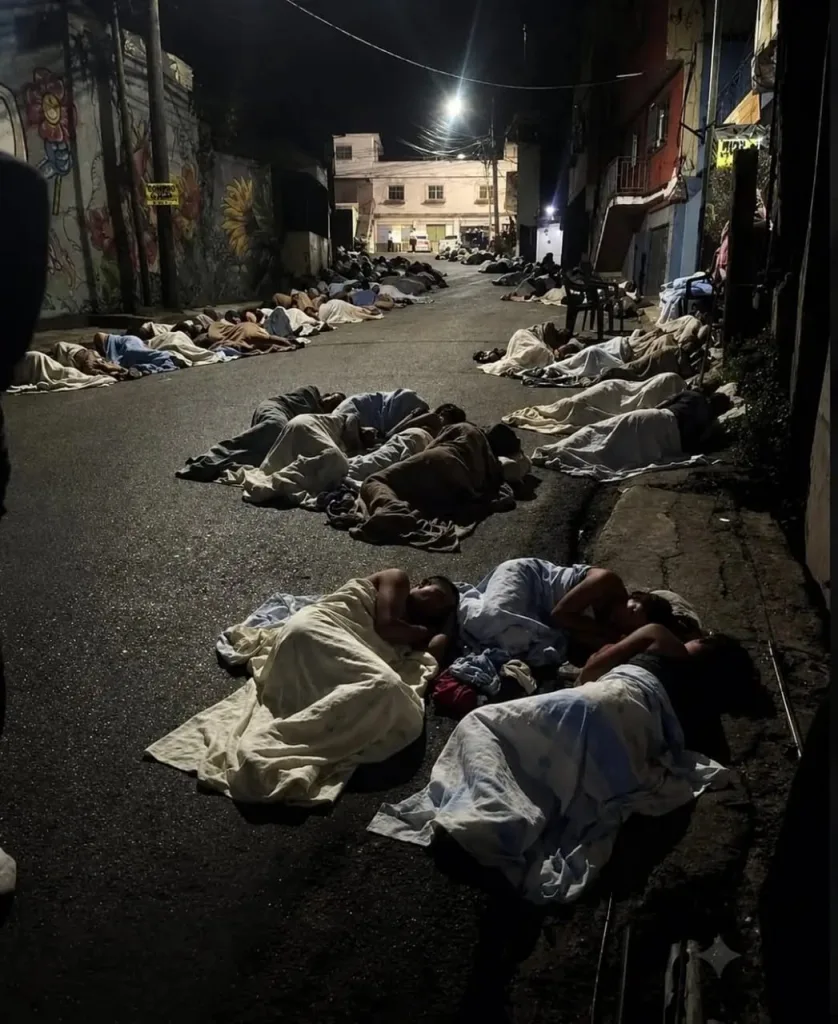
The destruction is also proving difficult to measure. While Venezuelan authorities initially reported hundreds of damaged structures, a preliminary satellite-based assessment cited by The Guardian suggested that about 58,870 buildings may have been damaged or destroyed across affected areas.
The report cautioned that the estimate was a rapid assessment, but it pointed to damage far beyond early official figures.
Economic losses are expected to be severe. Catastrophe modeling firm Verisk estimated that total economic losses from the earthquakes could exceed $10 billion, with the worst damage concentrated in the Caracas metropolitan area and La Guaira, where it estimated that around 1,400 buildings were destroyed.
The government says it is moving into a reconstruction phase. Acting President Delcy Rodríguez has defended the state’s response and announced the creation of a new military unit to handle future emergencies, while authorities have begun burying victims in La Guaira.
Reuters reported that the United Nations is continuing to scale up aid operations in coordination with the government, as engineering and medical teams continue to arrive in affected areas.
But anger is rising among survivors who say the help came too slowly. AP reported that residents in devastated communities have accused authorities of failing to provide heavy machinery, rescue support and proper recovery assistance, forcing some families to consider pooling money to rent cranes to retrieve the bodies of loved ones.
For now, Venezuela is caught between mourning and survival: bodies are still being recovered, shelters are filling up, disease risks are growing, and thousands of families are waiting for answers about missing relatives.
The twin earthquakes may have lasted only seconds, but their aftermath has become one of the country’s deepest humanitarian crises in years.
 Trump Calls For New Ukrainian Leadership Amid Clash With Zelensky Over US-Russia Diesel Agreement
  Thousands Detained As Massive Protests Erupt In India Over Alleged Electoral Fraud
  Atiku Mocks Tinubu As A “Dull Student,” Says Fuel Discount Was Copied From His Proposal
  South African Human Rights Champion Navi Pillay Wins 2026 Nobel Peace Prize
  Unrest Erupts in New York After ICE Agent Shoots Man During Immigration Operation
  Tinubu Announces 30-Day Fuel Discount To Ease Cost Of Living
  “My baby is coming anytime soon, it may be twins” — Mr Eazi Shares Excitement Ahead Of Fatherhood