
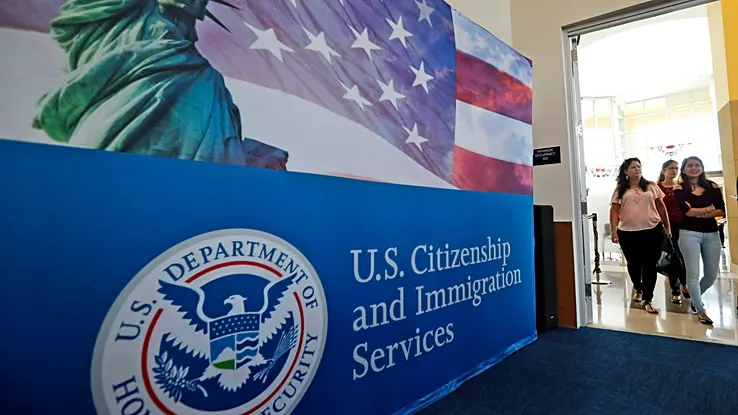
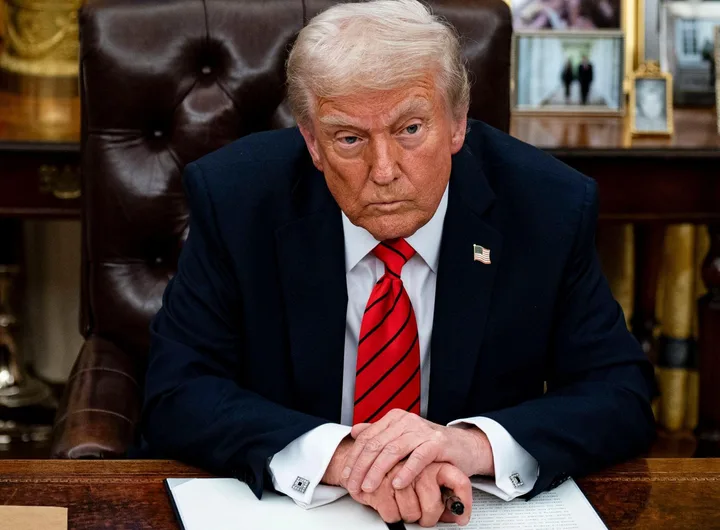
The US Visa bond is part of President Trump's policies to curb illegal immigration
Travelers from 50 countries, 30 of them African, will now need to put down security deposits of as much as 20,000 U.S. dollars to qualify for certain business or tourist visas, after Washington converted a trial visa-bond initiative into permanent policy. The government frames it as an anti-overstay measure, while skeptics say it risks shutting out genuine travelers.
The U.S. Department of State has permanently adopted a visa bond system that requires applicants from a designated list of 50 nations to pay a refundable deposit up to 20,000 dollars before a visa is granted.
Effective August 3, 2026, the rule covers people applying for B-1 (business) and B-2 (tourist) visas.
Consular officers now have the authority to condition visa approval on payment of a bond, which is forfeited if the visa holder overstays or otherwise breaches their terms of admission once in the U.S.
Bond amounts increase under the new rule
This permanent framework builds on a pilot scheme launched in August 2025. Under that trial, bonds were set at 5,000, 10,000, or 15,000 dollars.
The finalized version drops the 5,000-dollar tier, keeps the 10,000- and 15,000-dollar options, and adds a new top tier of 20,000 dollars.
Thirty African nations on the list
Africa accounts for 30 of the 50 countries subject to the program, among them Uganda, Ethiopia, Mozambique, and Zimbabwe.
In practice, this means qualifying applicants from these countries may have to put up a refundable deposit before being cleared for a business or tourist visa, at the discretion of the reviewing consular officer.
Rationale versus pushback
State Department officials say the bond requirement is meant to discourage overstays, pointing to the pilot period as evidence that the policy improved compliance with U.S. immigration terms.
Related: US Government To Refuse Visas For Pregnant Women Seeking To Give Birth For Citizenship Purposes
Critics, including immigration experts and voices from the tourism sector counter that the steeper deposits could put U.S. travel out of reach for many would-be visitors, especially those from lower-income nations.
They caution the rule could dampen inbound tourism and hurt American businesses that depend on international visitors.
Full list of affected countries and effective dates: Algeria (January 21, 2026)
Angola (January 21, 2026)
Antigua and Barbuda (January 21, 2026)
Bangladesh (January 21, 2026)
Benin (January 21, 2026)
Bhutan (January 1, 2026)
Botswana (January 1, 2026)
Burundi (January 21, 2026)
Cabo Verde (January 21, 2026)
Cambodia (April 2, 2026)
Central African Republic (January 1, 2026)
Cote D’Ivoire (January 21, 2026)
Cuba (January 21, 2026)
Djibouti (January 21, 2026)
Dominica (January 21, 2026)
Ethiopia (April 2, 2026)
Fiji (January 21, 2026)
Gabon (January 21, 2026)
The Gambia (October 11, 2025)
Georgia (April 2, 2026)
Grenada (April 2, 2026)
Guinea (January 1, 2026)
Guinea-Bissau (January 1, 2026)
Kyrgyz Republic (January 21, 2026)
Lesotho (April 2, 2026)
Malawi (August 20, 2025)
Mauritania (October 23, 2025)
Mauritius (April 2, 2026)
Mongolia (April 2, 2026)
Mozambique (April 2, 2026)
Namibia (January 1, 2026)
Nepal (January 21, 2026)
Nicaragua (April 2, 2026)
Nigeria (January 21, 2026)
Papua New Guinea (April 2, 2026)
Sao Tome and Principe (October 23, 2025)
Senegal (January 21, 2026)
Seychelles (April 2, 2026)
 37 Suspected Illegal Miners Die In NSCDC Custody
 ![US President Donald Trump and Canadian Prime Minister Mark Carney pictured during their May 6 meeting at the Oval Office in Washington, DC [Evan Vucci/AP Photo]](https://www.lionscrib.com/wp-content/uploads/2026/09/image-12-e1789635717373-720x410.webp) Trump Warns EU Of ‘Serious Tariffs’ Over Canada Associate Membership Plan
Trump Warns EU Of ‘Serious Tariffs’ Over Canada Associate Membership Plan  South African President Cytril Ramaphosa Falls Sicks After BRICS Summit
  Legendary Actor Olu Jacobs Dies Aged 84
  Dangote Refinery IPO: What Investors Need To Know
  Trump Accused Of Bribery Over $5,000 Pledge To Voters