
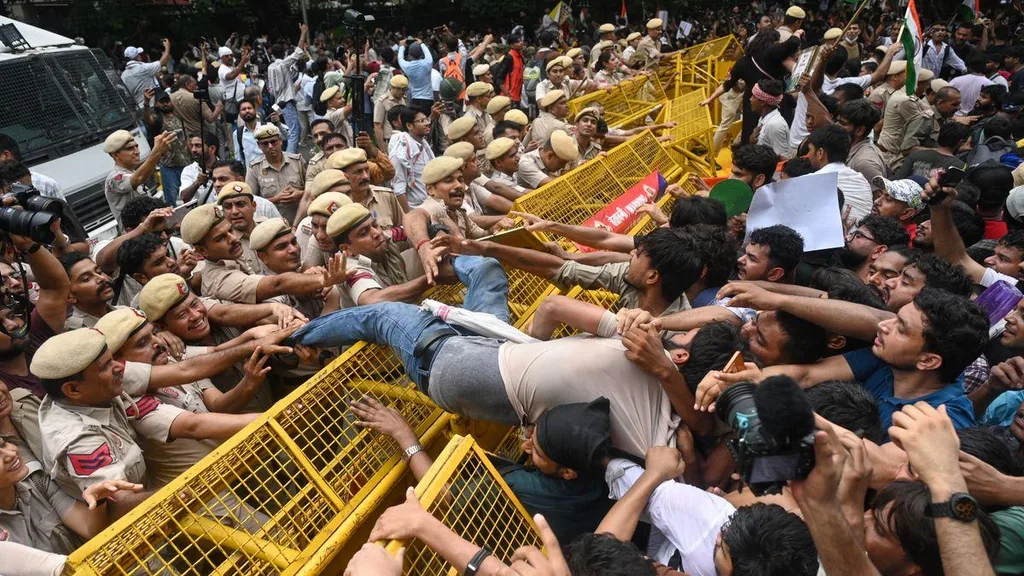
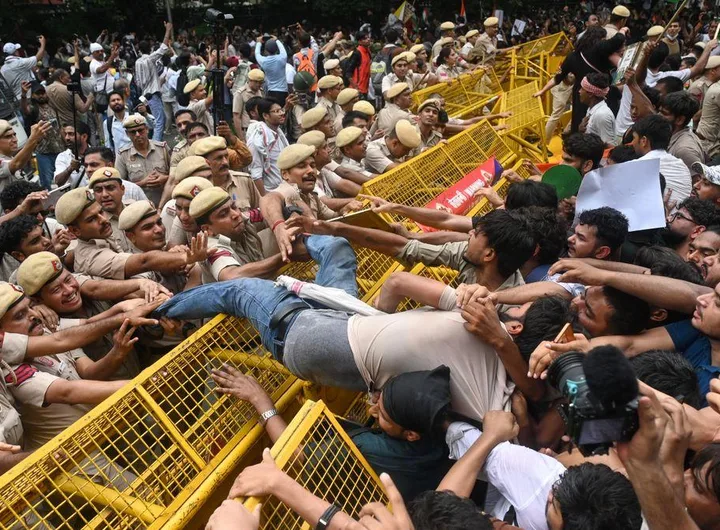
Protesters clash with police in India/Photo: Wral
Tensions are rising across India as thousands of demonstrators challenge alleged electoral irregularities, prompting mass arrests, security restrictions and growing concerns over democratic freedoms.
India is witnessing a wave of political unrest as thousands of protesters take to the streets, demanding the resignation of Chief Election Commissioner Gyanesh Kumar over allegations of electoral manipulation and voter suppression.
On Saturday, October 10, security forces detained more than 2,000 demonstrators in New Delhi as authorities imposed sweeping restrictions to prevent a major rally organised by the youth-led Cockroach Janta Party (CJP).
The demonstrations followed growing controversy surrounding the Special Intensive Revision (SIR) of electoral rolls, which critics claim has resulted in the removal of millions of eligible voters from India’s electoral register.
Opposition parties accuse the Election Commission of conducting revisions that favour Prime Minister Narendra Modi’s ruling Bharatiya Janata Party (BJP), allegations strongly denied by both the commission and the governing party.
Protest organisers argue that the changes threaten democratic participation and could influence future election outcomes.
Authorities responded by deploying thousands of police and paramilitary personnel across the capital.
Roadblocks, suspended mobile internet services, transport disruptions and closures of several metro stations significantly affected movement throughout New Delhi.
Related: US Tariff Increase Strikes India, Strains Bilateral Relations
Police also detained prominent protest organisers, including CJP founder Abhijeet Dipke, as demonstrators attempted to reach Jantar Mantar, a traditional gathering point for political protests.
Despite the heavy security presence, smaller demonstrations emerged in different parts of the capital, with protesters expressing frustration over restrictions on peaceful assembly.
The unrest has extended beyond New Delhi, with opposition supporters organising demonstrations in Mumbai and other areas to demand greater transparency in the electoral process.
Opposition leader Rahul Gandhi and several political figures have condemned the security crackdown, arguing that citizens should be allowed to express their concerns without intimidation.
Meanwhile, government supporters maintain that electoral roll revisions are necessary to remove duplicate, outdated and invalid voter registrations.
The protests have also attracted international attention, with concerns raised about the treatment of demonstrators and restrictions on civil liberties.
For many young Indians, the demonstrations represent growing dissatisfaction with political institutions and fears that their voices are being excluded from important democratic decisions.
Organisers have vowed to continue their campaign, announcing further demonstrations despite the arrests and heightened security measures.
As tensions persist, the controversy presents a significant political challenge for Modi’s administration, with increasing pressure on electoral authorities to address public concerns and restore confidence in India’s democratic institutions.
The coming days could prove crucial in determining whether the unrest subsides or develops into a broader nationwide protest movement.
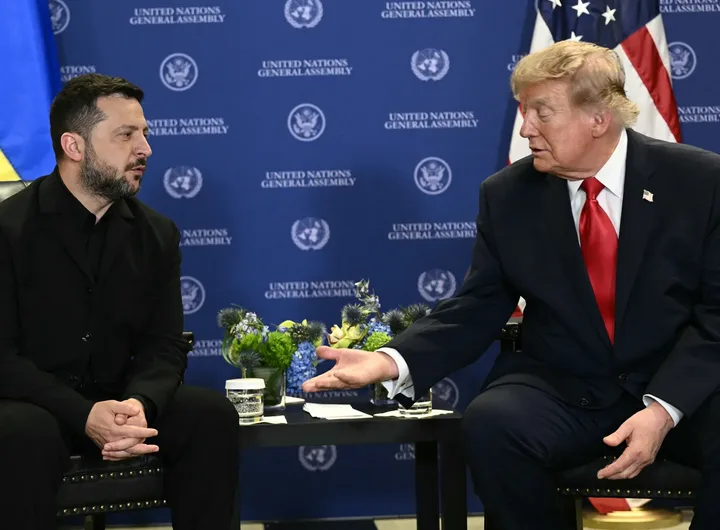 Trump Calls For New Ukrainian Leadership Amid Clash With Zelensky Over US-Russia Diesel Agreement
 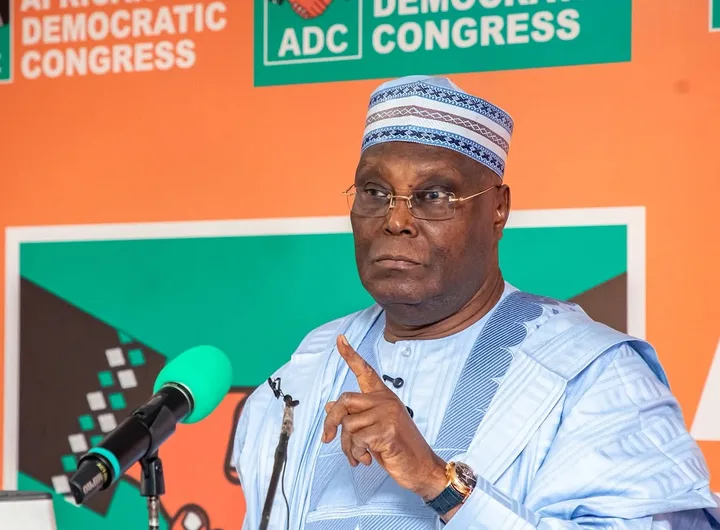 Atiku Mocks Tinubu As A “Dull Student,” Says Fuel Discount Was Copied From His Proposal
 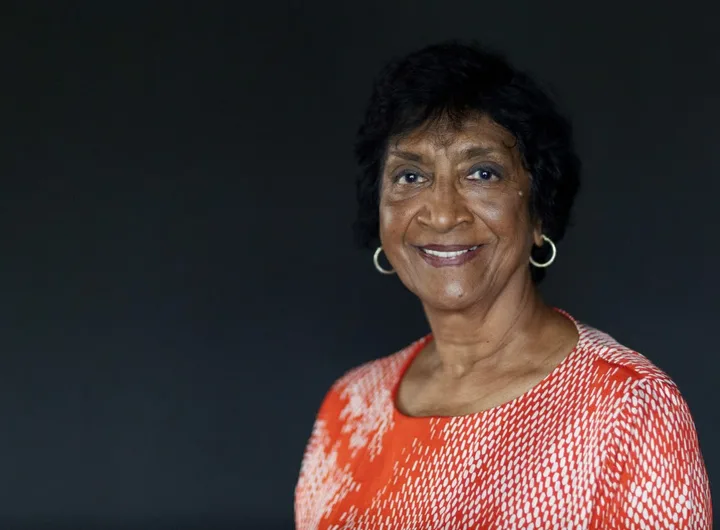 South African Human Rights Champion Navi Pillay Wins 2026 Nobel Peace Prize
 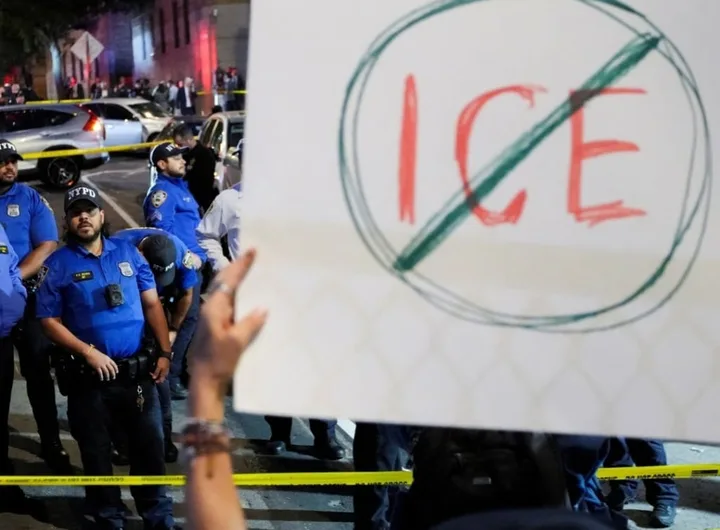 Unrest Erupts in New York After ICE Agent Shoots Man During Immigration Operation
 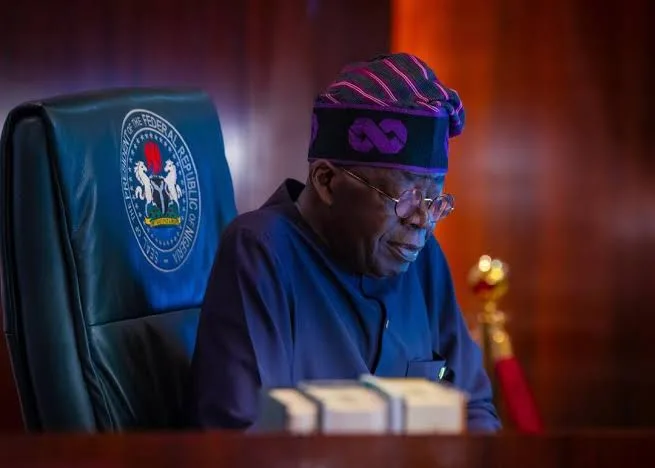 Tinubu Announces 30-Day Fuel Discount To Ease Cost Of Living
  From Lagos to Paris: How Street Model Rachel Ojuromi Made Her Chanel Runway Debut
  Thousands Detained As Massive Protests Erupt In India Over Alleged Electoral Fraud
 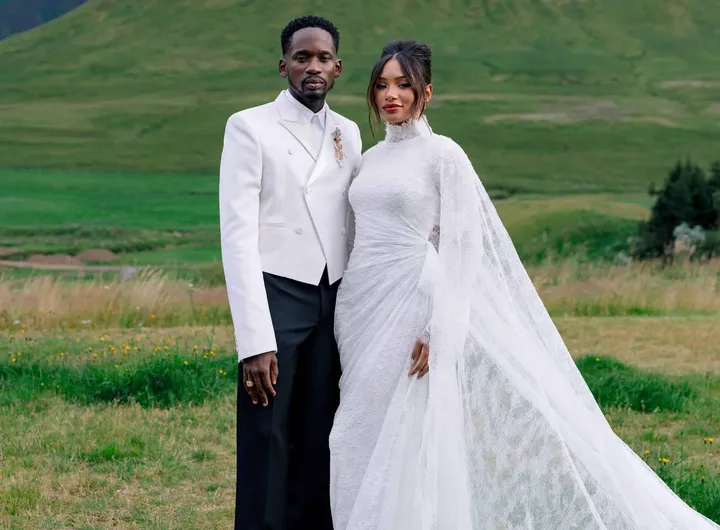 “My baby is coming anytime soon, it may be twins” — Mr Eazi Shares Excitement Ahead Of Fatherhood