
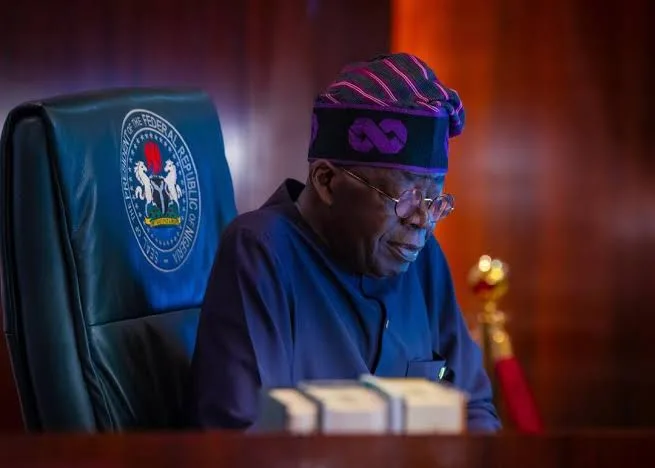
President Tinubu's administration says the discount is not subsidy/Photo: Instagram @officialasiwajubat
President Bola Tinubu has announced a 30-day petrol discount to ease rising fuel costs and reduce financial pressure on Nigerians.
President Bola Tinubu’s administration has announced a 30-day petrol discount at NNPC filling stations aimed at easing transportation costs and providing temporary relief to Nigerians struggling with rising fuel prices.
The Federal Government unveiled the initiative on Thursday, October 8, 2026, through the Minister of Finance and Coordinating Minister of the Economy, Taiwo Oyedele, during a press briefing in Abuja.
Under the arrangement, the Nigerian National Petroleum Company Limited (NNPCL) will temporarily forgo its retail profit margin and sell petrol at cost, with priority given to public transport operators nationwide.
Oyedele explained that the intervention was designed to cushion the impact of rising fuel prices without reversing the government’s decision to remove petrol subsidies in May 2023.
“We are offering a discount on petrol dispensed by NNPC Limited for the next 30 days in the first instance with priority for public transporters nationwide,” the minister stated.
The Presidency, through the Special Adviser to the President on Information and Strategy, Bayo Onanuga, confirmed that the initiative had Tinubu’s backing.
According to the Presidency, NNPC Retail will sell petrol at its actual cost without adding its usual profit margin.
For example, if the company’s landing cost is ₦1,300 per litre, the product will be sold at the same price.
The government also announced plans to negotiate a ceiling of ₦1,350 per litre on the landing or ex-gantry cost of petrol to reduce price volatility.
The proposed ceiling is separate from the final pump price paid by consumers.
The announcement comes amid growing concerns over the cost of living, particularly the effect of expensive petrol on transportation, food distribution and everyday business activities.
Related: President Tinubu Expresses Fears About Social Media, Calls For Regulation
Since the removal of fuel subsidies in 2023, Nigerians have experienced significant increases in petrol prices, placing additional pressure on households and businesses that depend heavily on fuel.
However, the government’s latest decision has generated mixed reactions.
Former Vice President Atiku Abubakar criticised the intervention, arguing that a temporary discount would not adequately address the economic difficulties faced by Nigerians.
Other critics have questioned whether the measure will translate into meaningful reductions in transport fares and household expenses.
Despite the criticism, the Presidency has maintained that the initiative does not represent a return to the previous subsidy system, describing it instead as a temporary measure to protect vulnerable Nigerians from global energy price fluctuations.
With the discount expected to run for an initial 30 days, attention will now turn to its implementation, the actual savings available to motorists and whether public transport operators will pass any benefits on to passengers.
The government has not confirmed an extension beyond the initial period, leaving questions about how fuel prices will be managed once the temporary arrangement expires.
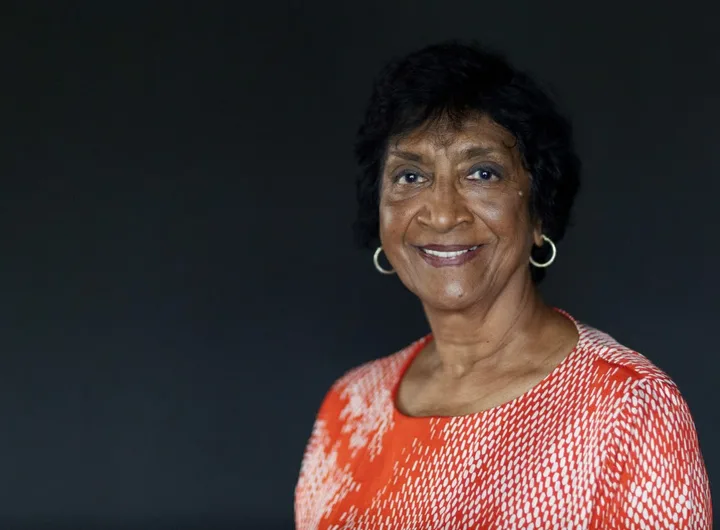 South African Human Rights Champion Navi Pillay Wins 2026 Nobel Peace Prize
  Unrest Erupts in New York After ICE Agent Shoots Man During Immigration Operation
  From Lagos to Paris: How Street Model Rachel Ojuromi Made Her Chanel Runway Debut
 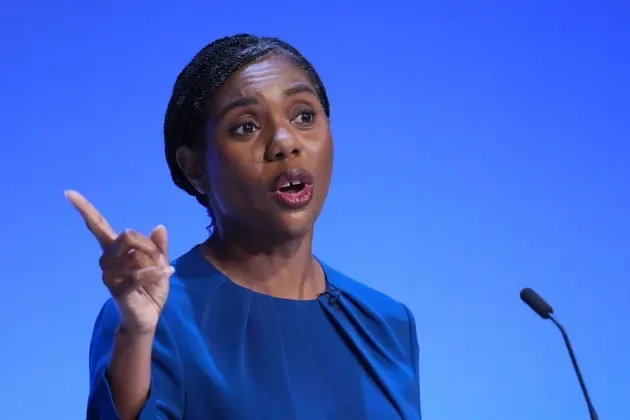 Badenoch Hits Out At Reform In Fiery Conference Speech Amid ‘Englishness’ Row
 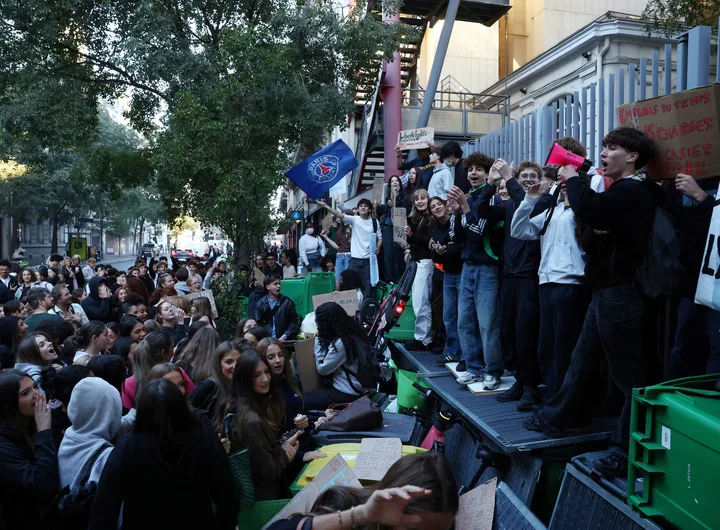 France Rocked By Nationwide Student Protests Over Education Crisis
  Tinubu Announces Three-Day National Mourning For Air Force Personnel Killed In Plane Crash