

On Thursday, November 27, 2025, General Horta Inta-A of Guinea-Bissau salutes an officer at his swearing-in ceremony in Bissau, where he assumed the role of transitional leader and head of the High Command [Patrick Meinhardt/AFP]
Military authorities in Guinea-Bissau appointed General Horta Inta-A as the nation’s transitional president on Thursday.
The general’s installation occurred one day after armed forces overthrew civilian authorities in a rapid seizure of power before weekend election outcomes could be declared.
In his statement, he defended the takeover by claiming the nation was facing stability challenges from political figures and narcotics traffickers, though he offered no specifics.
According to an announcement broadcast on government television, the military administration will supervise a twelve-month transitional period beginning Thursday.
“Created in response to the events of November 26, this new military entity immediately assumed supreme power in the state of Guinea-Bissau,” the general stated during his inauguration.
The West African nation has long been known as a major cocaine trafficking route and has experienced repeated military interference in its political affairs.
Related: Nigerian Military Denies Reports Saying It Warned Soldiers Against Coup
The takeover followed Sunday’s elections, in which both sitting President Umaro Sissoco Embaló and his opposition rival Fernando Dias claimed they had won.
Prior to Inta-A’s appointment being announced, Dias alleged that Embaló orchestrated a “fake coup” to sabotage the electoral process out of concern he would be defeated.
The capital city of Bissau remained largely calm on Thursday, with military personnel deployed throughout and many citizens remaining at home.
The African Union has denounced the military takeover and demanded Embaló’s freedom. The location of the ousted president is currently unclear.
He informed French news outlets on Wednesday that military forces had detained him.
This reported military seizure of power represents another in Guinea-Bissau’s series of coups and coup attempts since achieving independence from Portuguese rule in 1974.
It also marks the latest in a wave of military takeovers sweeping West Africa, where democratic governance has faced threats from contested electoral processes that experts suggest may encourage military interventions.
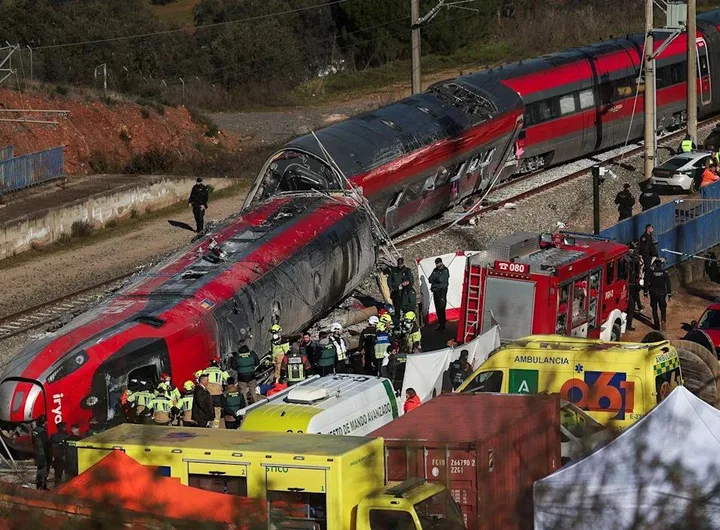 Tragedy In Spain: 64 Killed, Over 100 Injured In Devastating High-Speed Train Collision
 Tinubu Seeks Senate Approval For $20.5bn, €1.04bn In External Loans
 Israel Votes In Crucial Election As Netanyahu Faces Tough Challenge To Retain Power
 Harry Kane Makes History As First Englishman To Win Ballon d’Or In 25 Years
 Nigeria’s First Ebola Patient Flown Overseas For Treatment
 Lula Wins Historic Fourth Term As Brazil’s President In Dramatic Election Victory