
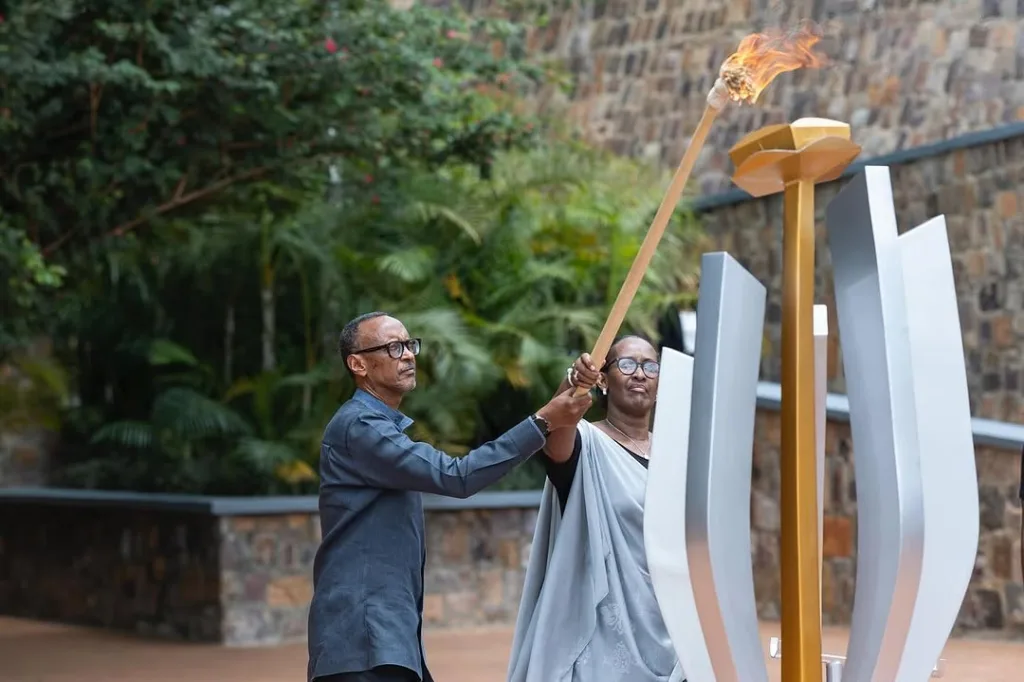
President Paul Kagame and First Lady Jeannette Kagame light the Flame of Hope during the commemoration of the Rwandan genocide in 2025/Photo: Instagram @paulkagame
The world pauses to remember one of history’s darkest chapters.
Today, April 7, 2026, Rwanda and the global community mark the 32nd anniversary of the beginning of the 1994 Genocide Against the Tutsi — a dark and devastating chapter in human history that claimed more than one million lives in just over 100 days.
Known as Kwibuka — a Kinyarwanda word meaning “to remember” — the annual period is one of solemn reflection, during which Rwandans and people across the world come together to honour the victims, unite in collective grief, and renew a commitment to building a better future.
How It Began
The genocide began on April 7, 1994, following the shooting down of a plane carrying then-President Juvénal Habyarimana and Burundi’s President — both Hutus — over Kigali airport.
Hutu radicals, blaming the Tutsi-dominated Rwandan Patriotic Front (RPF), launched a coordinated campaign of mass killings that targeted the Tutsi minority and those who opposed the genocide.
Over the 100-day period from April 7 to mid-July 1994, it is estimated that up to one million Rwandans were killed — constituting roughly 70% of the entire Tutsi population.
Additionally, 30% of the Pygmy Batwa were also killed.
The mass slaughter was eventually brought to an end when the Tutsi-backed and heavily armed Rwandan Patriotic Front, led by Paul Kagame, gained control of the capital and most of the country.
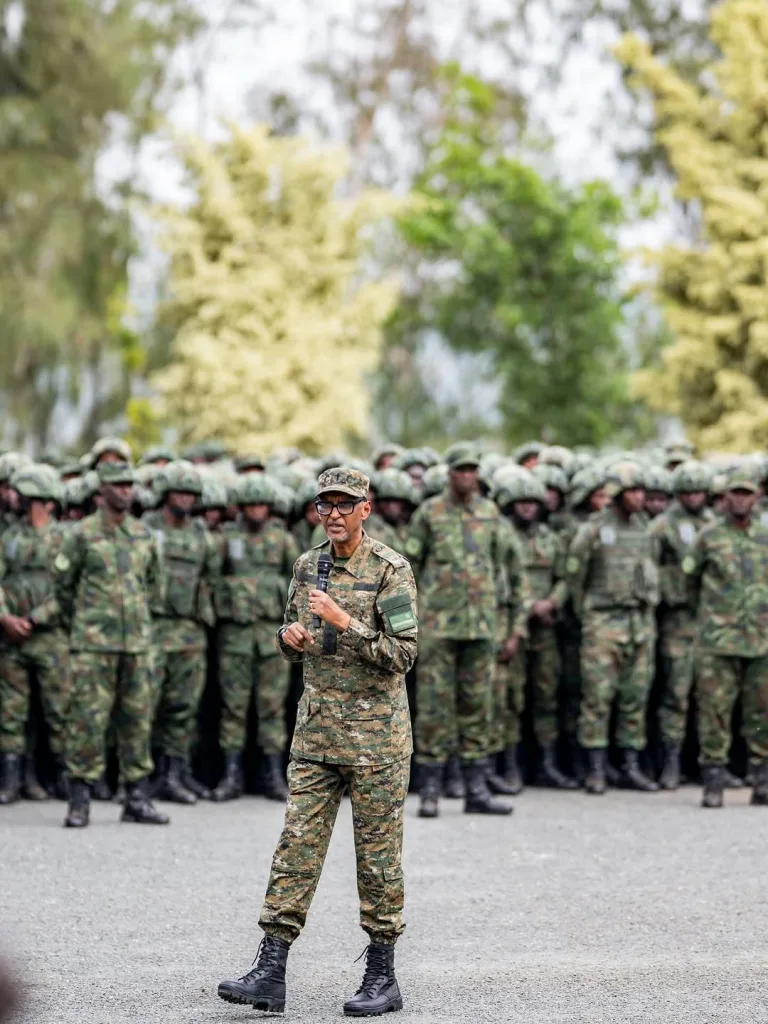
In its wake, an estimated two million people — predominantly Hutus — were displaced and became refugees.
A Day of International Significance
The United Nations General Assembly adopted a resolution in 2003 establishing April 7 as the International Day of Reflection on the 1994 Genocide in Rwanda.
In January 2018, the day was renamed the International Day of Reflection on the 1994 Genocide Against the Tutsi in Rwanda.
In Rwanda itself, the national mourning period begins with Kwibuka on April 7 and concludes with Liberation Day on July 4.
Related: Rwanda Is Ready For War Against Congo, Says Kagame
Across the world, memorial ceremonies take place including candle-lighting vigils, moments of silence, student conferences, and exhibitions — all aimed at honouring victims and educating future generations.
Lessons That Must Not Be Forgotten
The 1994 Genocide Against the Tutsi did not happen overnight. It was the result of years of propaganda, dehumanisation, and the normalisation of hatred.
The international community’s failure to act in time remains a stark reminder of the consequences of indifference.
Today, as societies grapple with rising polarisation and the rapid spread of harmful narratives through digital platforms, the lessons of Rwanda are more relevant than ever.
Rwanda’s journey of rebuilding and healing offers a powerful example of what is possible when a nation confronts its past with honesty and determination — a testament to the strength of human resilience and the possibility of renewal even after profound tragedy.
Kwibuka 32 is more than a day of mourning. It is a global call to remember, to learn, and to act — so that the words “Never Again” remain a promise, not merely a prayer.
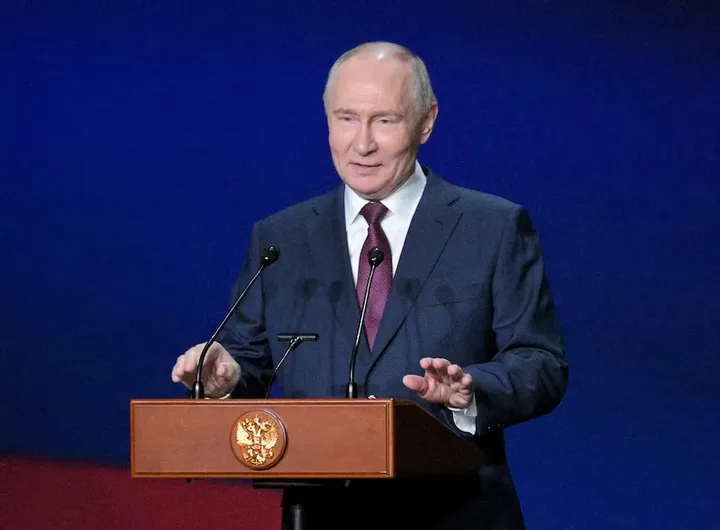 Russia Ready To Return To Ukraine Talks, Putin Says, Insisting On Security For Europe
 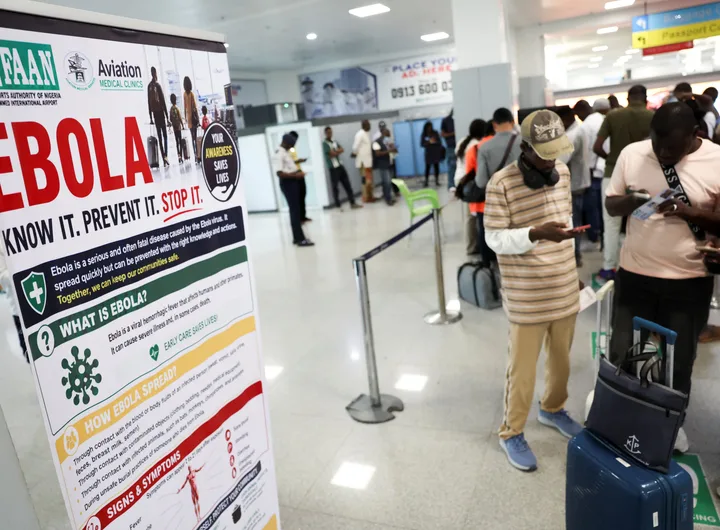 Nigeria Tightens Airport Screening After First Ebola Case
  Nollywood Mourns As Veteran Actor Francis Duru Dies At 57
  APC Dismisses Obi’s 2027 Chances, Says He Mistook 2023 Momentum For Lasting Political Capital
 ![Fury on the streets of Tirana, Albania: Protesters shattered the Education Ministry’s windows, flattened its perimeter fence and set billboards ablaze as unrest gripped the Albanian capital. [Hameraldi Agolli/AP Photo]](https://www.lionscrib.com/wp-content/uploads/2026/10/image-37-720x530.webp) Violent Clashes Erupt In Albania As Protesters Demand Prime Minister’s Resignation
Violent Clashes Erupt In Albania As Protesters Demand Prime Minister’s Resignation  Tunisians Take To The Streets As Anger Over Democracy And Economy Grows